Guides
Every section we cover, with the explainers that go with it.
Composting
Guide
-
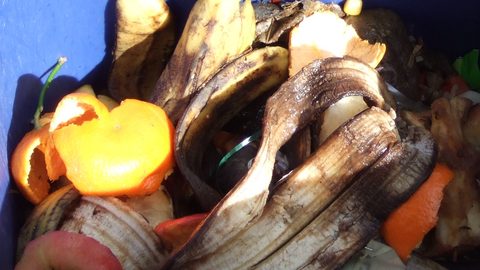 Bokashi composting
How to run a bokashi system in Singapore from start to finished compost, including what to do with the fermented output when you have no garden soil.
Bokashi composting
How to run a bokashi system in Singapore from start to finished compost, including what to do with the fermented output when you have no garden soil.
-
 Community gardens and shared composting
How to find a community garden or shared composting site near your HDB estate in Singapore to drop off food scraps when home composting is not possible.
Community gardens and shared composting
How to find a community garden or shared composting site near your HDB estate in Singapore to drop off food scraps when home composting is not possible.
-
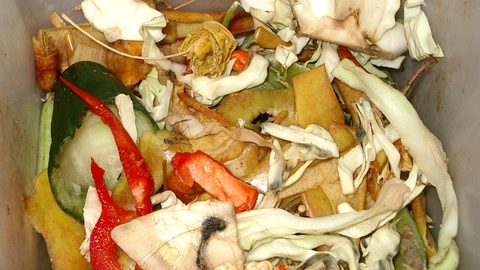 Composting in an HDB flat
Which composting method works in an HDB flat with no balcony and no smell? Bokashi and vermicomposting compared on space, odour risk and the food waste each handles.
Composting in an HDB flat
Which composting method works in an HDB flat with no balcony and no smell? Bokashi and vermicomposting compared on space, odour risk and the food waste each handles.
-
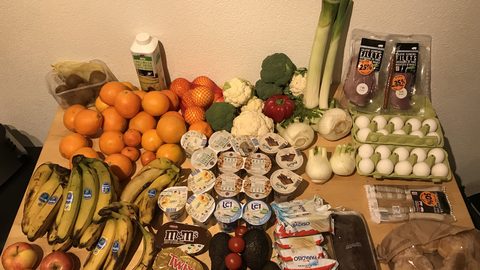 What can be composted
Which food scraps and materials can go into a compost bin in a Singapore HDB flat without attracting cockroaches, rats, or fruit flies.
What can be composted
Which food scraps and materials can go into a compost bin in a Singapore HDB flat without attracting cockroaches, rats, or fruit flies.
-
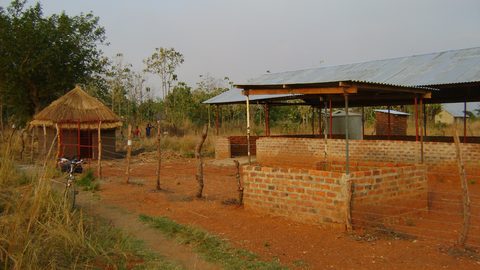 Worm composting
How to run a worm composting bin inside a Singapore HDB flat, keeping composting worms alive in the tropical heat without a balcony or garden.
Worm composting
How to run a worm composting bin inside a Singapore HDB flat, keeping composting worms alive in the tropical heat without a balcony or garden.
Recycling in Singapore
Guide
-
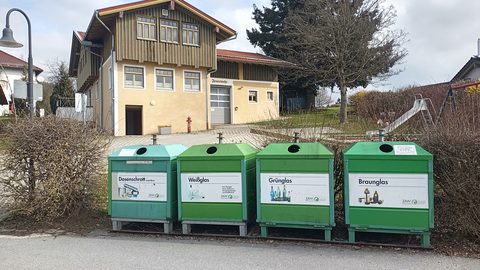 Cash-for-trash
 stations in Singapore pay for clean, segregated recyclables. Here is how they work, what they accept, and how they differ from the blue bin.
Cash-for-trash
Cash-for-trash stations in Singapore pay for clean, segregated recyclables. Here is how they work, what they accept, and how they differ from the blue bin.
-
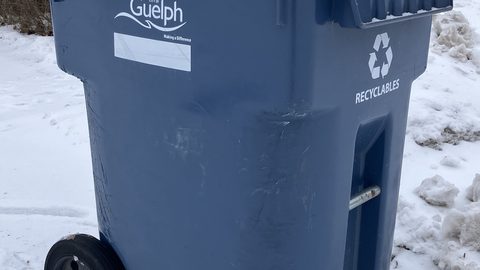 Recycling contamination
How food residue, liquids, and wishcycling contaminate Singapore's blue bin loads, why the contamination rate exceeds 40%, and how contamination sends recyclables to the incinerator.
Recycling contamination
How food residue, liquids, and wishcycling contaminate Singapore's blue bin loads, why the contamination rate exceeds 40%, and how contamination sends recyclables to the incinerator.
-
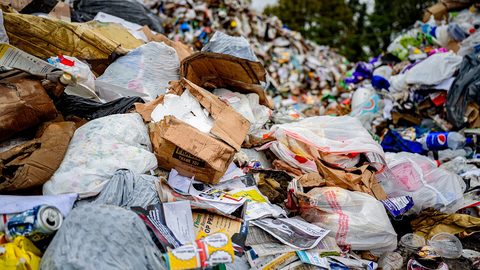 Recycling in HDB estates and condominiums
How recycling infrastructure and rules differ between HDB estates and condominiums in Singapore, from chutes and blue bins to Public Waste Collector collection under the National Recycling Programme.
Recycling in HDB estates and condominiums
How recycling infrastructure and rules differ between HDB estates and condominiums in Singapore, from chutes and blue bins to Public Waste Collector collection under the National Recycling Programme.
-
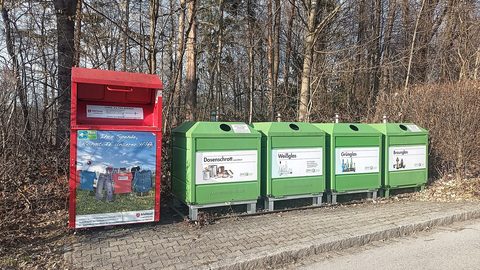 The beverage container return scheme
Singapore's Beverage Container Return Scheme is legislated but not yet operational. Here is how the deposit, return points, and container recovery will work under the RSA.
The beverage container return scheme
Singapore's Beverage Container Return Scheme is legislated but not yet operational. Here is how the deposit, return points, and container recovery will work under the RSA.
-
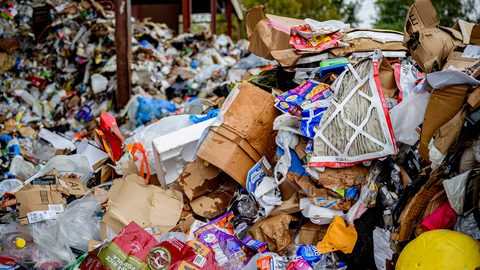 What happens after collection
The full journey of Singapore's blue bin recycling from collection truck to sorting at Sarimbun Recycling Park, and the split between export for recycling and incineration at Tuas South.
What happens after collection
The full journey of Singapore's blue bin recycling from collection truck to sorting at Sarimbun Recycling Park, and the split between export for recycling and incineration at Tuas South.
Rules and schemes
Guide
-
 Extended producer responsibility
-
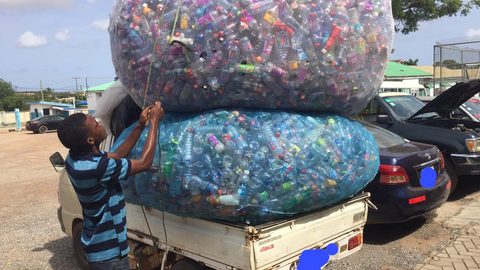 Mandatory packaging reporting
Who must submit Mandatory Packaging Reporting in Singapore under the Resource Sustainability Act, what packaging data is required, and the annual deadline.
Mandatory packaging reporting
Who must submit Mandatory Packaging Reporting in Singapore under the Resource Sustainability Act, what packaging data is required, and the annual deadline.
-
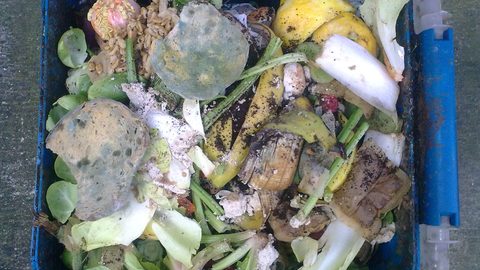 The Resource Sustainability Act
What the Resource Sustainability Act 2019 requires for e-waste, packaging, and food waste, who it applies to, and the dates each obligation took effect in Singapore.
The Resource Sustainability Act
What the Resource Sustainability Act 2019 requires for e-waste, packaging, and food waste, who it applies to, and the dates each obligation took effect in Singapore.
-
 The supermarket bag charge
The rules behind Singapore's supermarket bag charge: which retailers must impose it, the minimum amount, and the evidence on disposable bag reduction since it took effect.
The supermarket bag charge
The rules behind Singapore's supermarket bag charge: which retailers must impose it, the minimum amount, and the evidence on disposable bag reduction since it took effect.
Waste for businesses
Guide
-
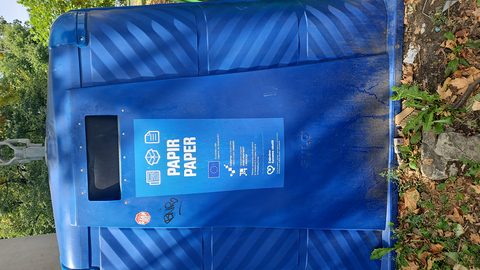 Office waste
A practical plan for office waste in Singapore: how to set up paper, e-waste and pantry recycling that works, with the rules on segregation and collection explained.
Office waste
A practical plan for office waste in Singapore: how to set up paper, e-waste and pantry recycling that works, with the rules on segregation and collection explained.
-
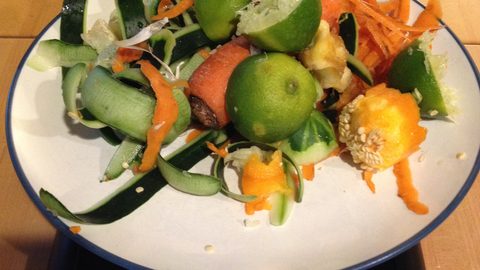 Reducing waste in food and beverage businesses
A practical plan for Singapore F&B businesses to reduce kitchen, packaging and takeaway waste, with the food waste segregation rules and collection options explained.
Reducing waste in food and beverage businesses
A practical plan for Singapore F&B businesses to reduce kitchen, packaging and takeaway waste, with the food waste segregation rules and collection options explained.
-
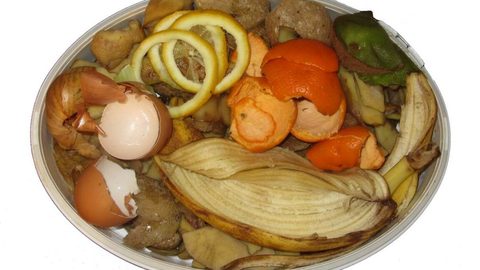 School waste programmes
What works in Singapore school waste programmes: practical plans for canteens, classrooms and e-waste drives, with the rules on segregation and collection explained.
School waste programmes
What works in Singapore school waste programmes: practical plans for canteens, classrooms and e-waste drives, with the rules on segregation and collection explained.
-
 Waste at events
How to plan a lower-waste event in Singapore: practical steps for vendors, bins, food waste and post-event audits, with the rules that apply to each decision.
Waste at events
How to plan a lower-waste event in Singapore: practical steps for vendors, bins, food waste and post-event audits, with the rules that apply to each decision.
Waste streams
Guide
-
 Bulky waste in Singapore
What happens to bulky waste in Singapore after the town council collects it, from dismantling and metal recovery to incineration at Tuas South and the ash that reaches Semakau Landfill.
Bulky waste in Singapore
What happens to bulky waste in Singapore after the town council collects it, from dismantling and metal recovery to incineration at Tuas South and the ash that reaches Semakau Landfill.
-
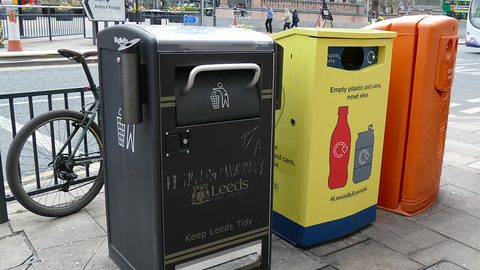 Construction and demolition waste
Why Singapore's construction and demolition waste recycling rate exceeds 99%, how it shapes the national recycling figure, and what happens to the recovered concrete and metal.
Construction and demolition waste
Why Singapore's construction and demolition waste recycling rate exceeds 99%, how it shapes the national recycling figure, and what happens to the recovered concrete and metal.
-
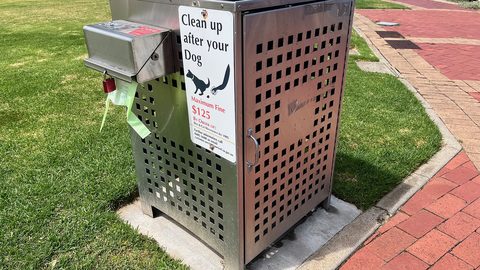 E-waste
Singapore's e-waste Producer Responsibility Scheme makes producers fund collection and recycling. Small tonnage, high value, and a genuine battery fire risk.
E-waste
Singapore's e-waste Producer Responsibility Scheme makes producers fund collection and recycling. Small tonnage, high value, and a genuine battery fire risk.
-
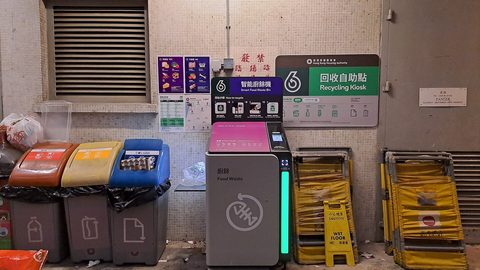 Food waste
 is Singapore's heaviest household stream and the hardest to recover. Moisture and decomposition make it a problem before sorting even begins.
Food waste
Food waste is Singapore's heaviest household stream and the hardest to recover. Moisture and decomposition make it a problem before sorting even begins.
-
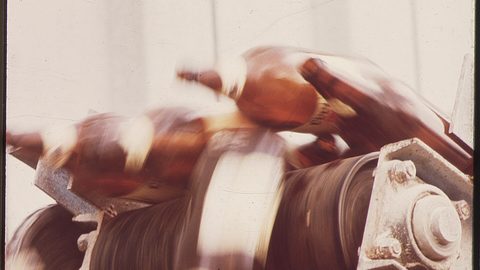 Glass
Glass is infinitely recyclable in theory but breaks in Singapore's commingled blue bin and contaminates paper. Ceramics are the specific poison.
Glass
Glass is infinitely recyclable in theory but breaks in Singapore's commingled blue bin and contaminates paper. Ceramics are the specific poison.
-
 Household batteries
Why household batteries cause fires in Singapore's waste system and the correct disposal pathway through ALBA E-waste collection points under the Producer Responsibility Scheme.
Household batteries
Why household batteries cause fires in Singapore's waste system and the correct disposal pathway through ALBA E-waste collection points under the Producer Responsibility Scheme.
-
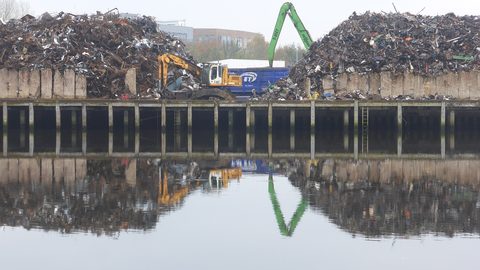 Metal
Metal is the Singapore waste stream that works. It is recovered from the blue bin and from incineration bottom ash, with a recovery rate others do not approach.
Metal
Metal is the Singapore waste stream that works. It is recovered from the blue bin and from incineration bottom ash, with a recovery rate others do not approach.
-
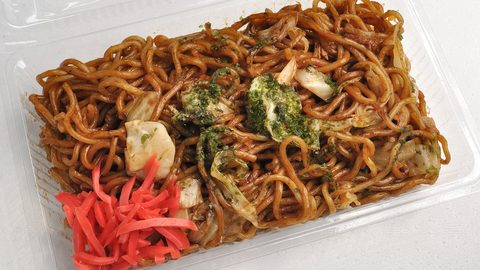 Packaging waste
A package marked recyclable internationally may not be recyclable in Singapore. Laminated materials and local MRF limits explain the gap.
Packaging waste
A package marked recyclable internationally may not be recyclable in Singapore. Laminated materials and local MRF limits explain the gap.
-
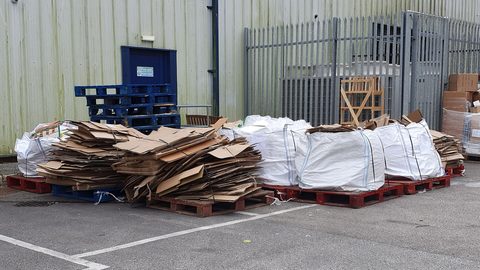 Paper and cardboard
Moisture and grease break paper fibre, which is why food-soiled paper ruins a blue bin load in Singapore's commingled recycling system.
Paper and cardboard
Moisture and grease break paper fibre, which is why food-soiled paper ruins a blue bin load in Singapore's commingled recycling system.
-
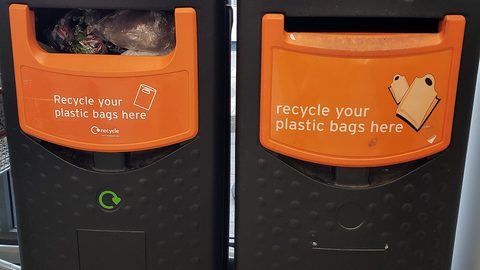 Plastic
Resin codes are not a recyclability rating. In Singapore's blue bin system, a plastic item is recycled only if it survives the MRF sort and finds a buyer.
Plastic
Resin codes are not a recyclability rating. In Singapore's blue bin system, a plastic item is recycled only if it survives the MRF sort and finds a buyer.
-
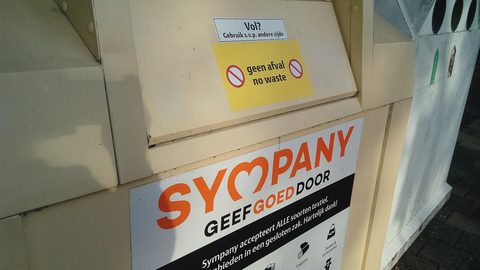 Textiles
Textile waste in Singapore is growing faster than any other stream with almost no recycling. Blended fibres cannot be separated, so reuse is the only real option for households.
Textiles
Textile waste in Singapore is growing faster than any other stream with almost no recycling. Blended fibres cannot be separated, so reuse is the only real option for households.
-
 Used cooking oil
How used cooking oil from Singapore's F&B premises is collected by licensed operators and processed into biodiesel, and why household oil lacks a dedicated recycling pathway.
Used cooking oil
How used cooking oil from Singapore's F&B premises is collected by licensed operators and processed into biodiesel, and why household oil lacks a dedicated recycling pathway.
Zero waste living
Guide
-
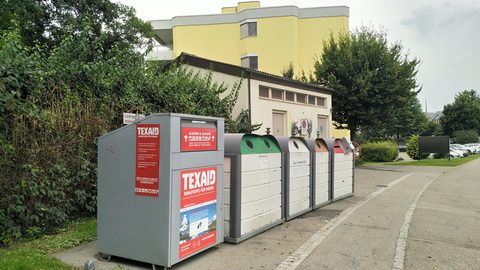 A zero waste bathroom
Zero-waste bathroom swaps in Singapore can reduce plastic packaging, but not all swaps have equal impact. Here is which ones reduce the tonnage that reaches incineration.
A zero waste bathroom
Zero-waste bathroom swaps in Singapore can reduce plastic packaging, but not all swaps have equal impact. Here is which ones reduce the tonnage that reaches incineration.
-
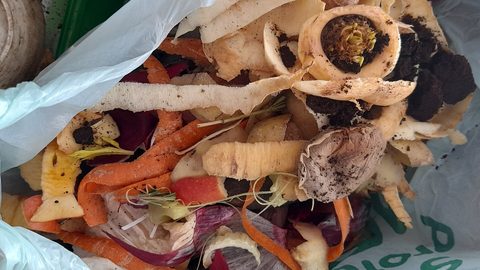 A zero waste kitchen
A zero-waste kitchen in Singapore starts with food-waste prevention through meal planning and storage. Swaps help, but food waste is the biggest tonnage lever.
A zero waste kitchen
A zero-waste kitchen in Singapore starts with food-waste prevention through meal planning and storage. Swaps help, but food waste is the biggest tonnage lever.
-
 Bringing your own containers
The real rules and practical realities of bringing your own container to Singapore hawker centres and takeaway stalls, with the waste tonnage avoided per use.
Bringing your own containers
The real rules and practical realities of bringing your own container to Singapore hawker centres and takeaway stalls, with the waste tonnage avoided per use.
-
 Do reusables actually help?
How many reuses make a reusable bag, bottle or cup better than single-use? Life-cycle evidence for Singapore's incineration system, ranked by break-even point.
Do reusables actually help?
How many reuses make a reusable bag, bottle or cup better than single-use? Life-cycle evidence for Singapore's incineration system, ranked by break-even point.
-
 Refill stores in Singapore
 let you buy dry goods and personal care products without packaging. Here is how bulk buying works and how much waste it actually prevents.
Refill stores in Singapore
Refill stores in Singapore let you buy dry goods and personal care products without packaging. Here is how bulk buying works and how much waste it actually prevents.
Guides not tied to one category
-
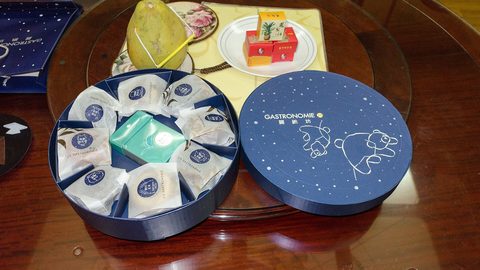 Festive Packaging Waste in Singapore: Mooncakes, Mandarin Oranges and the Seasonal Spike
Why mooncake boxes, mandarin orange cartons and gift hampers spike Singapore's waste and why reduction beats recycling for festive packaging.
Festive Packaging Waste in Singapore: Mooncakes, Mandarin Oranges and the Seasonal Spike
Why mooncake boxes, mandarin orange cartons and gift hampers spike Singapore's waste and why reduction beats recycling for festive packaging.
-
 Zero Waste Days Around the World: UN Observances, Trade Campaigns and Singapore Dates
Which zero-waste and recycling days have UN backing, which are industry marketing, and where Singapore's Clean and Green campaign fits in the calendar.
Zero Waste Days Around the World: UN Observances, Trade Campaigns and Singapore Dates
Which zero-waste and recycling days have UN backing, which are industry marketing, and where Singapore's Clean and Green campaign fits in the calendar.
-
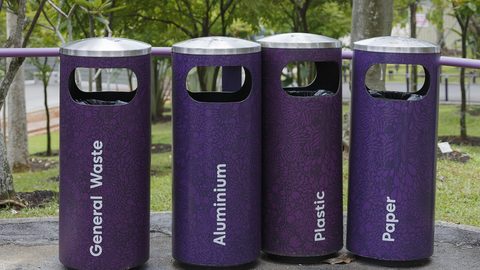 Semakau Landfill Closure Date Keeps Moving and That Is the Number That Matters
Semakau is Singapore's only landfill, built between two islands to take incineration ash. Its closure date keeps moving—here is why that number matters.
Semakau Landfill Closure Date Keeps Moving and That Is the Number That Matters
Semakau is Singapore's only landfill, built between two islands to take incineration ash. Its closure date keeps moving—here is why that number matters.
-
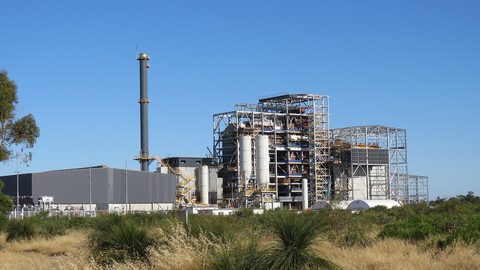 What Singapore's Waste Incineration Does and Does Not Do to the Material Problem
Singapore incinerates over 95% of disposed waste for volume reduction and electricity. But bottom ash and fly ash are different things with different fates—most coverage conflates them.
What Singapore's Waste Incineration Does and Does Not Do to the Material Problem
Singapore incinerates over 95% of disposed waste for volume reduction and electricity. But bottom ash and fly ash are different things with different fates—most coverage conflates them.
-
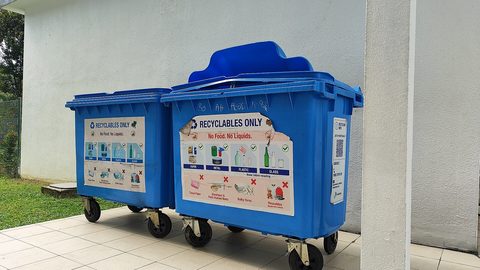 Singapore's Zero Waste Masterplan Explained Without the Government Language
The Zero Waste Masterplan is NEA's 2019 waste policy. What its targets mean in practice, which have moved since publication, and the gap the official document cannot explain.
Singapore's Zero Waste Masterplan Explained Without the Government Language
The Zero Waste Masterplan is NEA's 2019 waste policy. What its targets mean in practice, which have moved since publication, and the gap the official document cannot explain.
-
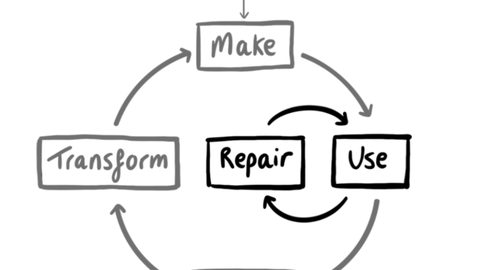 What Circular Economy Means in Singapore and Where the System Actually Departs From It
Circular economy is used loosely enough to mean nothing. Here is a definition that excludes things, and how Singapore's waste system actually tests against it.
What Circular Economy Means in Singapore and Where the System Actually Departs From It
Circular economy is used loosely enough to mean nothing. Here is a definition that excludes things, and how Singapore's waste system actually tests against it.
-
 Reducing Waste at Home in Singapore Ranked by Measured Effect Not Visibility
The household waste actions that feel good are rarely the ones that move the tonnage in Singapore. Ranked by measured effect, with the mechanism explained.
Reducing Waste at Home in Singapore Ranked by Measured Effect Not Visibility
The household waste actions that feel good are rarely the ones that move the tonnage in Singapore. Ranked by measured effect, with the mechanism explained.