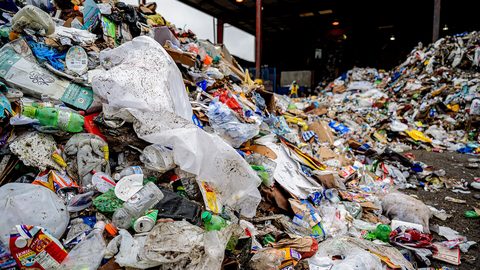
How Recycling Works in Singapore's HDB Estates and Condominiums
How recycling infrastructure and rules differ between HDB estates and condominiums in Singapore, from chutes and blue bins to Public Waste Collector collection under the National Recycling Programme.
How Recycling Works in Singapore's HDB Estates and Condominiums
HDB and condo recycling rules differ. Mix them up and your town council or managing agent will fine you. In HDB estates, use the centralised blue chute on your floor or the shared blue bin at ground level. The Public Waste Collector empties it under the National Recycling Programme. In condominiums, the managing agent decides where the blue bins sit, usually a fenced bin centre, and the same PWC collects them under the sector contract. The commingled system is identical: paper, plastic, metal, and glass go into one bin and get sorted later at a Materials Recovery Facility.
The difference that matters is contamination. The chute system makes rinsing harder. You carry a rinsed container back to a shaft that smells of food waste from the previous load. That single design choice is why HDB blue bin contamination runs higher than in condominiums, where residents walk a rinsed container to a bin centre that does not share a shaft with general waste.
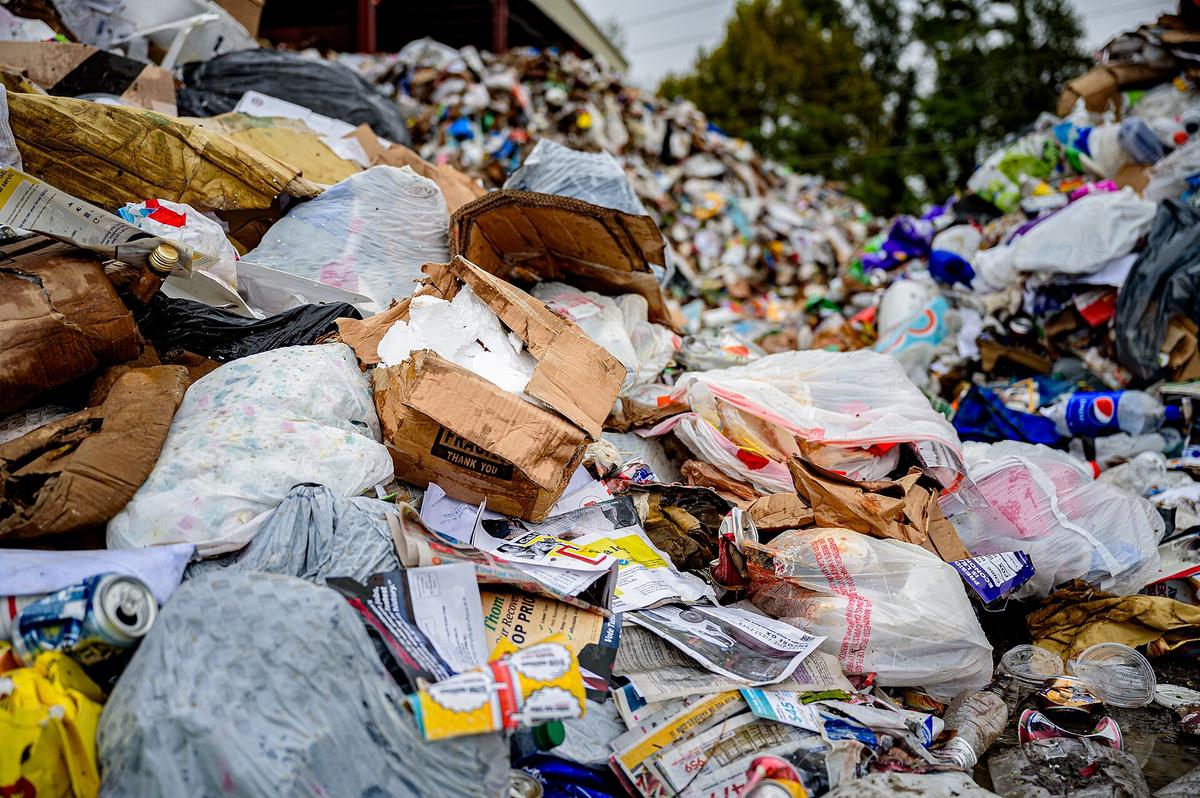
HDB Recycling Chute Singapore: How the Centralised System Works
Nearly every HDB block built after the 1990s gives each floor a refuse chamber with two chutes: one for general waste, one for recyclables. The recycling chute feeds directly into a blue bin locked in a ground-floor chamber. The PWC empties that bin, usually daily or every other day. Contents go to the MRF.
The advantage is convenience. You never walk downstairs to recycle. The disadvantage: 40 to 80 households share that chute. Any food residue, liquid, or non-recyclable item dropped in contaminates the entire batch below.
Who Sets The Rules
The National Environment Agency sets the PWC sector boundaries, assigns which collector serves your block, and dictates the collection rules. The blue bin must accept commingled recyclables and the collector must sort them. Your town council sets the building-specific rules: which days the chute is locked for maintenance, whether the blue bin is locked to prevent misuse, and what penalty applies if security footage shows you dropping a food container into the recyclables chute. The fine runs SGD 50 to SGD 200. Enforcement is rare.
Condo Recycling Bin Singapore: Managing Agent Rules and PWC Collection
Condominiums skip the chutes. The managing agent places blue bins at a dedicated bin centre, often on the ground floor near the loading bay or in the basement carpark. Expect 660-litre wheelie bins or 1,100-litre bulk bins. The baseline is roughly one bin per 50 units. Your managing agent can add more.
The PWC collects these bins under the same sector contract that covers HDB estates, but the schedule is set by the managing agent, not the town council. Some condos segregate bins by material: paper only, glass only, metal and plastic. That is a choice of the management corporation, not a national requirement. If your condo runs segregated bins, the PWC must still collect them. The sector contract is for commingled recycling. The managing agent either arranges a separate haulage for segregated streams or accepts that the PWC will combine them at the MRF.
Why Condo Contamination Runs Lower
Contamination in condos sits around 30% by weight, against roughly 40% in HDB blocks. The bin centre is a walk you choose to make, not a chute you pass every morning. The NEA's National Recycling Programme applies to all domestic premises, but building-specific rules are set by the managing agent under the NEA's framework. A fine for contaminating a bin, if posted, is a condo rule, not a national law.
| Feature | HDB Estate | Condominium |
|---|---|---|
| Bin location | Chute on each floor or shared blue bin at ground floor | Dedicated bin centre, usually ground floor or basement carpark |
| Bin type | Centralised chute feeding a blue bin | 660-litre or 1,100-litre wheelie bins |
| Collection frequency | Daily or alternate days by PWC | Set by managing agent, typically daily |
| Responsible authority for building rules | Town council | Managing agent / Management Corporation |
| Typical contamination rate | Approx 40% by weight (NEA estimate 2023) | Approx 30% by weight (estimated) |
| Segregated bins possible | No, standardised blue bin system | Yes, if managing agent chooses |
| Fine for contamination | SGD 50 to SGD 200, rarely enforced | Condo rule, amount varies widely |
| PWC sector contract applies | Yes | Yes |
| Convenience for rinsing | Low — chute shared with general waste odour | Higher — bin centre is separate from general waste |
Blue Bin HDB Rules: What You Must and Must Not Put In
The NEA publishes one list of accepted items. It is the same for HDB and condo. You may put in: paper, cardboard, plastic bottles, plastic containers, glass bottles, metal cans, aluminium cans, and drink cartons. You must not put in: food waste, liquids, textiles, shoes, bags, toys, ceramics, light bulbs, batteries, electronic waste, styrofoam, used tissues, paper towels, or disposable cutlery.
The Two Biggest Failure Modes
The first is wishcycling. You place a non-recyclable item in the chute hoping it gets recycled. The second is food residue: a takeaway container with leftover sauce you did not rinse. In a chute system, that item or residue coats everything below it. The town council requires you to rinse containers before dropping them. The NEA does not enforce this. It is a building rule, and it is why contamination stays above 40%.
What To Do Right Now
If your HDB block has a chute, keep a rinsing basin at your sink. Rinse containers before you drop them. If your condo has segregated bins, use them. They reduce the chance your clean paper gets ruined by a neighbour's unrinsed bottle.
Recycling Building Rules Singapore: The Legal Framework You Live Under
Two authorities set the building rules for recycling: the NEA at the national level, and your town council or managing agent at the building level. The NEA's framework requires every domestic premise to have a blue bin and a collection service under the PWC sector contract. The NEA does not mandate separate bins for paper or glass in HDB estates. It does not set a fine for contamination. It does set the list of accepted items, the collection frequency, and the PWC's obligation to sort.
The town council or managing agent adds the local rules: where the bin or chute sits, whether it is locked, what the fine is, and whether security cameras are watching. The key difference: the town council is a public body elected by residents, while the managing agent is a private contractor hired by the Management Corporation. That affects how quickly rules change. A town council may take months to adjust a chute lock schedule. A managing agent can shift bin placement in a week.
The NEA's three PWC sectors, City-Punggol, Jurong-Bukit Batok, and Woodlands-Yishun, determine which collector serves your address. The current PWC contract runs 2021 to 2028. If your block's bin is not emptied, the PWC is the first call, not the town council.
The One Thing That Most Often Goes Wrong
The most common mistake is treating the blue bin as a 'maybe' bin, putting in anything that looks like packaging, including soft plastics, styrofoam, and food-stained cardboard. In HDB estates, that mistake contaminates the entire chute batch. In condominiums, it contaminates the bin centre batch. The real recycling rate after MRF sorting is lower than the collection-point figure by roughly the contamination rate. If 40% of the bin contents are incinerated, the 12% domestic recycling rate (2023) drops closer to 7%. That gap is why the NEA's 30% domestic recycling target for 2030 requires cutting contamination, not just collecting more.
Common Questions
Can I put recyclables in a plastic bag in the blue bin?
No. Plastic bags are not accepted. They entangle the MRF sorting equipment and cannot be mechanically sorted. Empty your recyclables loose into the chute or bin. If your condo has a segregated bin for plastic, check the label. Most condo bins accept plastic bags separately only if labelled.
Who do I call if my HDB recycling chute is blocked or the blue bin is full?
Call your town council, not the PWC. The town council manages the building's waste infrastructure. If the bin stays full past one collection cycle, the PWC may be skipping your block. Call the PWC directly using the number on the bin or the NEA's hotline.
Can my condo choose to have a separate paper-only bin?
Yes, the managing agent can place segregated bins. But the PWC's sector contract is for commingled collection, so the PWC will collect the segregated bins on the same route and may combine them at the MRF. If you want segregated collection that stays separate, your managing agent must hire a private waste collector at additional cost.
What happens if I drop e-waste into the HDB recycling chute?
It contaminates the batch and is incinerated. Lithium-ion batteries in the chute or bin can cause fires in the collection vehicle or MRF. E-waste must go to one of the 800+ ALBA E-waste Smart Recycling points. The nearest one is at your community centre or supermarket.
Are the fines for contaminating the recycling bin enforced?
Rarely in HDB estates, but enforcement exists. Town councils use security camera footage at the chute opening to identify offenders. The fine runs SGD 50 to SGD 200. In condominiums, enforcement is more common because the managing agent can issue a notice of breach of the building's by-laws. The fine is set by the Management Corporation.