Paper Waste in Singapore and Why Food Contamination Ruins the Stream
Moisture and grease break paper fibre, which is why food-soiled paper ruins a blue bin load in Singapore's commingled recycling system.
Paper Waste in Singapore: How Moisture and Grease Ruin the Fibre
Drop a greasy pizza box into a blue bin and you kill the recyclability of every clean sheet of paper it lands on. That is not an exaggeration. The box is still paper, but the grease coating its fibres cannot be washed out during pulping. Every sheet of paper and cardboard it touches, in the collection truck and at the materials recovery facility, is rejected and burned. This is the central problem with paper waste in Singapore: the stream most easily ruined by the stream beside it.
The National Environment Agency reported that in 2023 Singapore generated 1,064,000 tonnes of paper and cardboard. Only 31 percent was recovered. The remaining 734,000 tonnes went to waste-to-energy plants. The ash from those plants ended up at Semakau Landfill. The gap between a 31 percent recovery figure and what residents expect from the blue bin is almost entirely explained by contamination. Food residue, moisture, and grease turn recoverable paper into material a mill will not buy.
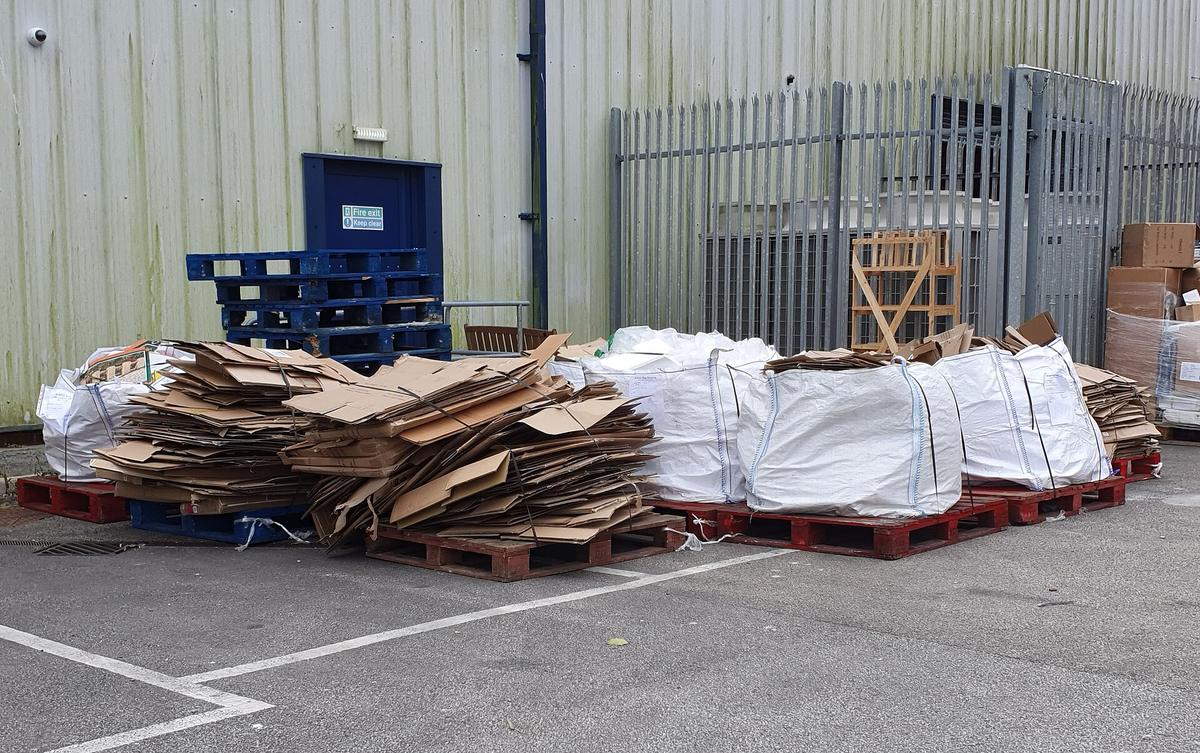

Singapore Paper Recycling Rate: What the 31% Actually Means
The headline national recovery figure hovers around 50 to 60 percent, but that number is dominated by construction debris and industrial scrap. The domestic rate for households sits at 12 to 13 percent. Paper and cardboard are the largest single stream in the household bin, so a 31 percent paper recovery rate is largely an industrial and commercial number. Household paper performance is far worse. The reason is not a lack of participation. It is contamination.
The NEA publishes the annual Waste and Recycling Statistics. The 2023 data is the most recent. Watch that document to track whether the paper stream is improving. The 31 percent includes all paper and cardboard across every sector. The domestic subset is not broken out separately in public reports, but the gap between the two rates tells you the blue bin stream is the weak link.
Paper Contamination Blue Bin Singapore: the Mechanism That Breaks the Fibre
Clean, dry paper and cardboard are accepted in the blue bin. Soiled, greasy, or wet paper and cardboard are rejected. The distinction is not policy. It is chemistry. Grease is a hydrophobic lipid. When it coats cellulose fibres, it stops water-based repulping agents from rebonding the fibres during processing. The result is a pulp that cannot form a coherent sheet. Moisture works differently but just as destructively. Water weakens the hydrogen bonds between cellulose fibres, causing irreversible fibre collapse before the material even reaches the mill. Wet paper and cardboard also promote mould growth, which degrades the fibre structure through enzymatic breakdown. By the time a damp cardboard box arrives at the MRF, its tensile strength is already gone.
The common examples of food-contaminated paper are the ones you see every day: pizza boxes, paper food wrappers, used paper plates, paper napkins. Tissue paper is not accepted in the blue bin. Wax-coated paper is not accepted. All these items, and anything they touch in a commingled load, become unrecoverable. The contamination rate in the blue bin is reported by NEA at 40 percent. A single greasy wrapper can spoil an entire bale of recyclables, which then fails inspection by overseas offtakers.
What Happens At The Materials Recovery Facility
The blue bin uses commingled collection. Paper, plastic, metal, glass all go into one bin and are sorted later. At the MRF, optical sorters and manual pickers separate the stream. Food-soiled paper is dark, stained, or damp. The sorters eject it into the reject line. Because the material is commingled, a wet cardboard box contaminates the plastic bottles and metal cans it was packed against in the collection truck. The entire truckload may be downgraded. The MRF operator, one of the Public Waste Collectors working under NEA sector contracts, then has a decision: bale the material at a lower purity and hope an offtaker accepts it, or send the whole load to the incinerator.
Food Soiled Paper Singapore: Why it Cannot Be Saved
Food-soiled paper is not just pizza boxes. It is the paper liner from a takeaway container, the napkin used to wipe a plate, the cardboard sleeve that held a greasy pastry. All of it carries grease or moisture that makes repulping impossible. The NEA blue bin acceptance list is blunt: clean and dry only. If the paper shows any sign of food contact, it belongs in the general waste chute, not the recovery bin.
Putting food-soiled paper in the blue bin is not a harmless mistake. It contaminates the surrounding items. That clean newspaper you put in on top of the greasy box is now also unrecoverable. The materials recovery facility rejects the contaminated batch, and the whole load goes to the incineration plant. The energy recovered from burning that paper is minimal because the moisture content lowers the calorific value. The ash, roughly a fifth of the input mass by NEA estimates, goes to Semakau Landfill. You have turned a recoverable resource into landfill ash through one act of contamination.
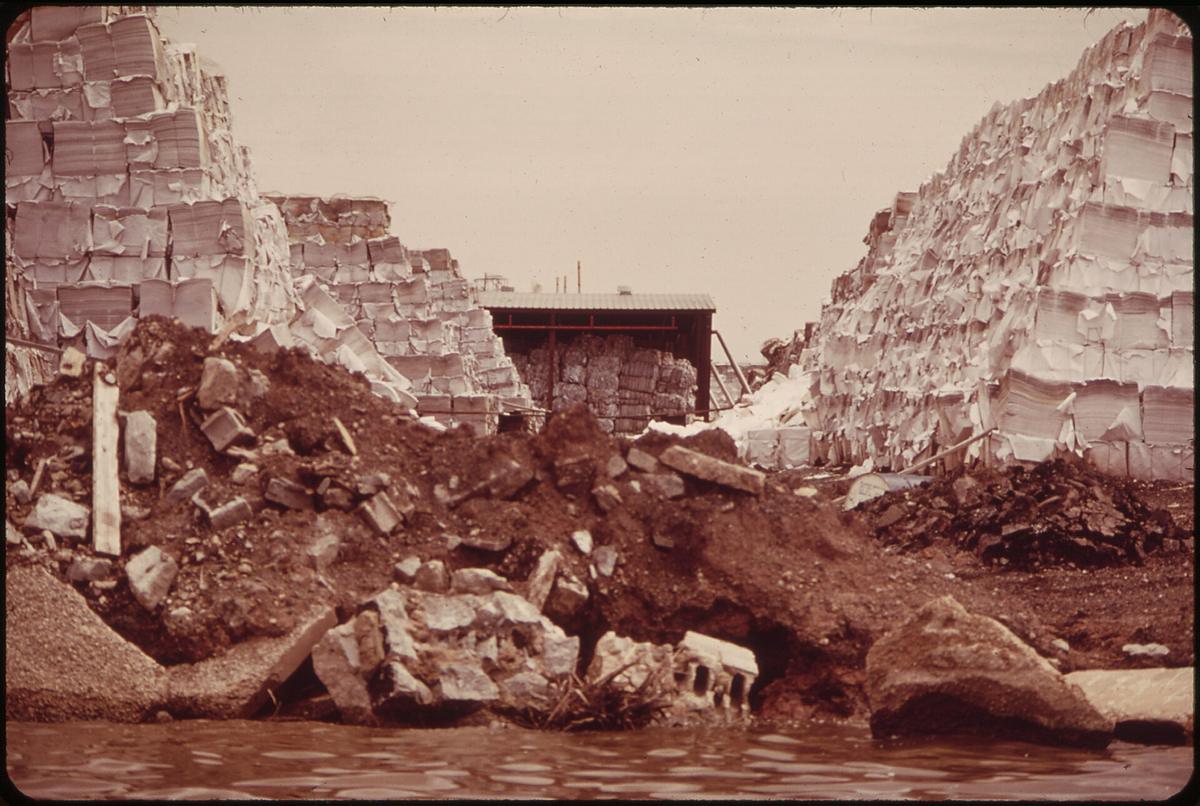

| Accepted In The Blue Bin | What Ruins A Batch | Where It Ends Up | Prepare It Like This |
|---|---|---|---|
| Yes, if it is dry | Grease and moisture, which break the fibre | Recovered into pulp where clean | Flatten it; keep it away from food and liquid |
Paper Recycling Incineration Singapore: the End of the Line for Contaminated Fibre
When paper is rejected at the MRF, it is not landfilled directly. Singapore burns more than 95 percent of disposed waste. The rejected paper goes to a waste-to-energy plant: Tuas South, Senoko, Keppel Seghers Tuas, or TuasOne, depending on the sector it was collected from. The Integrated Waste Management Facility under construction will add capacity and co-locate materials recovery with incineration to cut transport distances, but the fundamental architecture remains the same. Contaminated paper is burned.
The incineration process produces two residue streams. Incineration bottom ash, the heavy residue from the furnace, is barged to Semakau Landfill. Fly ash, the lighter fraction captured by the baghouse filter, is treated separately and landfilled. The high moisture content of food-soiled paper increases the ash-to-landfill ratio because wet material does not burn completely. More ash means faster filling of Semakau. NEA projects the landfill will be full by 2035, subject to waste reduction rates. Every greasy pizza box that goes into the blue bin instead of the general waste chute takes measurable space at Semakau.
Why The Blue Bin Is The Problem, Not The Solution
The blue bin system is built on convenience. Commingled collection means you do not sort paper, plastic, metal, and glass into separate bins. The trade-off is that contamination is baked into the model. Put a food-soiled cardboard box into the blue bin believing you are recycling. The system treats you as having disposed of it as general waste. The gap between what residents think is recoverable and what the system can actually handle is the single largest failure in Singapore's domestic programme. The NEA has tried to close that gap with education campaigns, but the contamination rate remains high because the collection model itself rewards the wrong behaviour. It is easier to throw everything into one bin than to separate clean paper from food waste.
Full specification
| Accepted in the blue bin | Yes, if it is dry | manufacturer |
|---|---|---|
| What ruins a batch | Grease and moisture, which break the fibre | manufacturer |
| Where it ends up | Recovered into pulp where clean | manufacturer |
| Prepare it like this | Flatten it; keep it away from food and liquid | manufacturer |
| Why this stream is difficult | It is the stream most easily ruined by the stream beside it | manufacturer |
Figures labelled manufacturer are the maker's own claim and are measured by them. Owner reported figures are aggregated from owners and are the ones worth planning around.
Common Questions
Can I put a pizza box in the blue bin if I scrape off the cheese?
No. Scraping does not remove the grease that has soaked into the cardboard fibres. The grease prevents repulping. Put the pizza box in the general waste chute.
What happens to paper that is rejected at the materials recovery facility?
It is sent to an NEA waste-to-energy plant and incinerated. The resulting bottom ash is barged to Semakau Landfill. The paper is not recovered.
Is the domestic recycling rate the same as the national recycling rate?
No. The national rate of roughly 50 to 60 percent includes industrial and construction waste. The domestic rate for households is 12 to 13 percent. Paper recovery performance follows the same gap.
Does wet cardboard contaminate other recyclables in the blue bin?
Yes. Moisture weakens cardboard fibres and the wet conditions promote mould that degrades nearby paper. The entire load can be downgraded and rejected by offtakers.
Read next
-
 What the Blue Bin Actually Takes and What Happens When It Gets Contaminated
What Singapore's blue bin actually takes—and what happens to a whole truckload when one item is wrong. The contamination rule, not just the list.
What the Blue Bin Actually Takes and What Happens When It Gets Contaminated
What Singapore's blue bin actually takes—and what happens to a whole truckload when one item is wrong. The contamination rule, not just the list.
-
 What Must Never Go in a Singapore Household Bin and Where It Goes Instead
Batteries, lamps, chemicals and sharps must never go in a Singapore household bin. Where each goes instead, scoped to Singapore disposal law.
What Must Never Go in a Singapore Household Bin and Where It Goes Instead
Batteries, lamps, chemicals and sharps must never go in a Singapore household bin. Where each goes instead, scoped to Singapore disposal law.
-
 E-waste
Singapore's e-waste Producer Responsibility Scheme makes producers fund collection and recycling. Small tonnage, high value, and a genuine battery fire risk.
E-waste
Singapore's e-waste Producer Responsibility Scheme makes producers fund collection and recycling. Small tonnage, high value, and a genuine battery fire risk.
-
 Bulky waste in Singapore
What happens to bulky waste in Singapore after the town council collects it, from dismantling and metal recovery to incineration at Tuas South and the ash that reaches Semakau Landfill.
Bulky waste in Singapore
What happens to bulky waste in Singapore after the town council collects it, from dismantling and metal recovery to incineration at Tuas South and the ash that reaches Semakau Landfill.
-
 Plastic
Resin codes are not a recyclability rating. In Singapore's blue bin system, a plastic item is recycled only if it survives the MRF sort and finds a buyer.
Plastic
Resin codes are not a recyclability rating. In Singapore's blue bin system, a plastic item is recycled only if it survives the MRF sort and finds a buyer.
-
 Household batteries
Why household batteries cause fires in Singapore's waste system and the correct disposal pathway through ALBA E-waste collection points under the Producer Responsibility Scheme.
Household batteries
Why household batteries cause fires in Singapore's waste system and the correct disposal pathway through ALBA E-waste collection points under the Producer Responsibility Scheme.
-
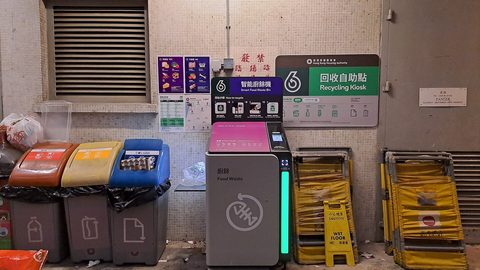 Food waste
 is Singapore's heaviest household stream and the hardest to recover. Moisture and decomposition make it a problem before sorting even begins.
Food waste
Food waste is Singapore's heaviest household stream and the hardest to recover. Moisture and decomposition make it a problem before sorting even begins.
-
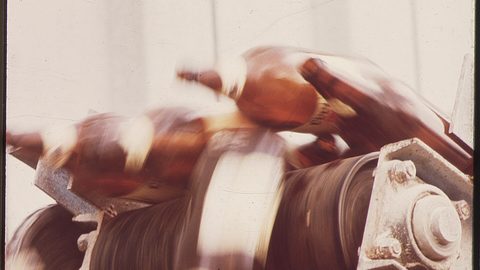 Glass
Glass is infinitely recyclable in theory but breaks in Singapore's commingled blue bin and contaminates paper. Ceramics are the specific poison.
Glass
Glass is infinitely recyclable in theory but breaks in Singapore's commingled blue bin and contaminates paper. Ceramics are the specific poison.