What Happens to Textile Waste in Singapore's Incineration-First System
Textile waste in Singapore is growing faster than any other stream with almost no recycling. Blended fibres cannot be separated, so reuse is the only real option for households.
Singapore Textile Waste is Rising Fast and Almost Nothing Gets Recycled
Singapore produced 247,000 tonnes of textile waste in 2023. Two per cent got recycled. That is the lowest recovery rate of any major waste stream the National Environment Agency tracks. It is also the fastest-growing category by volume, outpacing packaging and food waste. The question is not whether old clothes can be recycled. It is what happens after you drop them off. The 2 per cent figure reflects a structural mismatch between the materials we buy and the infrastructure built to handle them. Not a lack of goodwill.
Textile Waste Disposal: What Happens When You Use the Rubbish Chute
Incineration Is the Default
A garment dropped down a high-rise refuse chute enters a system built for burning. Roughly 95 per cent of disposed waste is incinerated. Textiles on this path end up at one of four waste-to-energy plants, including Tuas South Incineration Plant and the newer TuasOne WtE Plant.
The fibre matters inside the furnace. Natural fibres are biogenic and contribute to the renewable-energy portion of the plant's electricity. Synthetic fibres, pulled from fossil fuels, release fossil carbon into the atmosphere. That undermines the carbon accounting of the burn. The ash, both bottom ash and fly ash, is barged to Semakau Landfill, the engineered offshore enclosure between Pulau Semakau and Pulau Sakeng. Semakau's remaining capacity is recalculated annually. New plants like the Integrated Waste Management Facility have pushed the estimated closure date outward. The landfill is not infinite. Every polyester shirt burned today occupies space that will eventually run out.
No Producer Responsibility for Fabric
The NEA's Resource Sustainability Act created a Producer Responsibility Scheme for e-waste and introduced Mandatory Packaging Reporting. Textiles sit outside any extended producer responsibility framework. Brands face no legal obligation to fund collection or recycling of post-consumer garments. The Zero Waste Masterplan, published in 2019, includes targets for textile waste reduction. The gap between its ambitions and the current infrastructure is wide. Without a regulatory push compelling producers to pay for sorting and recycling, the system will continue to default to incineration.
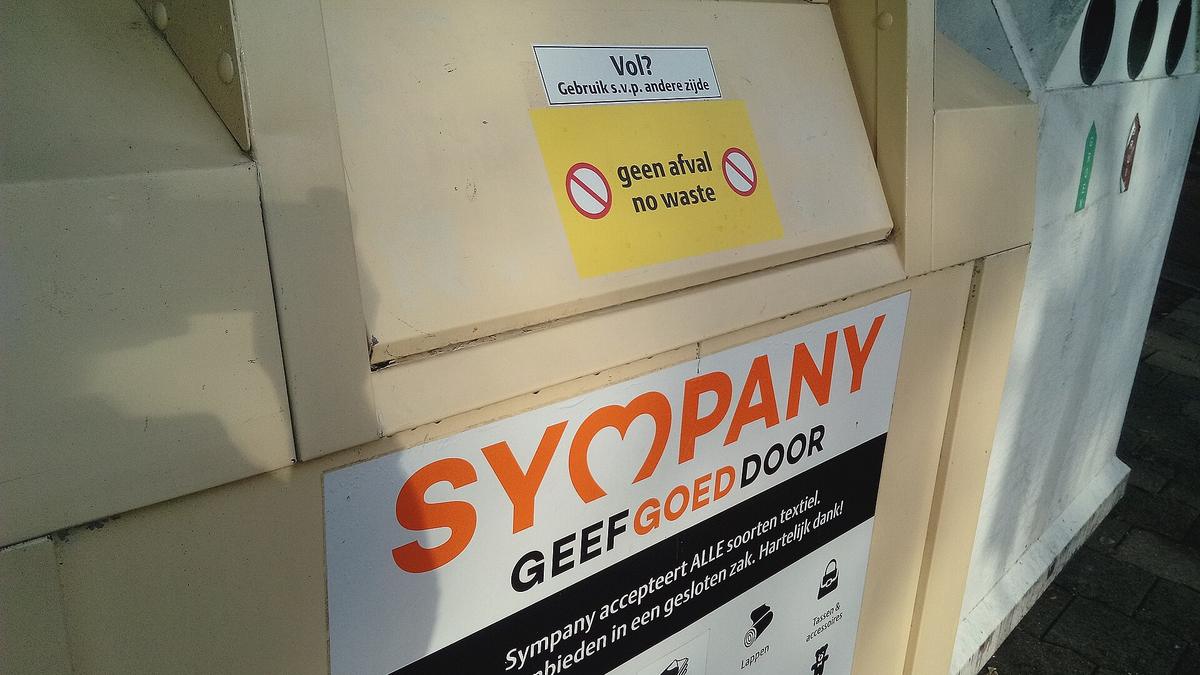
_02.jpg)
Clothing Recycling Blue Bin Singapore: Why Your T-Shirt Cannot Go There
The Blue Bin Is a Contamination Trap
The blue bin under the National Recycling Programme is a commingled collection system for paper, plastic, metal and glass. Fabrics are not on the accepted list. A single clothing item dropped in will be extracted at the Materials Recovery Facility as contamination. NEA reports contamination rates at 40 per cent or higher for blue bin contents. One textile can spoil an entire batch of clean paper or plastics by introducing fibres and dyes the sorting equipment cannot handle.
Machines Cannot Sort Soft Fibres
MRFs separate rigid materials by shape, density and optical signature. Soft, flexible garments wrap around conveyor rollers, jam sorting screens, and defeat the air classifiers and eddy current separators built for bottles and cans. Even if an MRF could extract them, there is no domestic textile recycling infrastructure to process the bales. They would need an export offtaker. The global market for mixed textile waste is shrinking as countries restrict imports of low-grade post-consumer material. Commingled contamination remains the dominant domestic system failure metric. Fabrics are among the worst offending contaminants.
Why Blended Fibres Make Mechanical Textile Recycling Nearly Impossible
The Shredder Cannot Split a Blend
Mechanical recycling shreds and cards fabric back into fibre form, then respins it into new yarn. The process demands a uniform fibre composition. Feed a batch of 100 per cent cotton shirts into a shredder and the output fibres are all cotton, ready for carding and spinning. Most fast-fashion clothing is made from blended fibres, usually a polyester-cotton mix. In a single yarn, polyester filaments and cotton staples are twisted together. No mechanical process can separate them. Shredding does not reverse polymer blending. What comes out is a fibre mix that cannot be respun into anything usable, because fibres of different polymer types respond differently to spinning tension, dye uptake and heat setting. The result is waste.
Chemical Separation Needs a Plant That Does Not Exist Here
Chemical recycling can theoretically separate blends by dissolving one component and leaving the other as a solid. It requires solvents specific to each polymer pair, consistent input quality and large capital investment. No chemical recycling facility operates at commercial scale in Singapore for post-consumer textiles. Textile-to-textile recycling, the ideal of making new clothing from old, is structurally impossible for the majority of garments on the market. Most recycling that does occur here is downcycling: shredding fabrics into insulation, wiping rags or stuffing for furniture, applications where blended fibre composition does not matter because the material is not respun. That downcycling channel is tiny. It accounts for the 2 per cent rate.
Textile Waste Incineration Singapore: the Default Destination
The Burn Destroys Material Value
No viable recycling route exists for the bulk of household fabrics. Incineration is the default. The plants are designed for mixed waste and they operate efficiently. But burning destroys the material value of the garments and converts embedded energy into electricity at a rate set by the calorific value of the fabric. Synthetics carry a high calorific value, which improves energy recovery, but the carbon released is fossil carbon. A WtE plant converts roughly 20 per cent of input mass into bottom ash. The textile fraction contributes to that ash stream in proportion to its inorganic content.
Fast Fashion Outruns Any Collection System
NEA's annual statistics show fabric waste volumes climbing every year. The 247,000-tonne figure for 2023 is a record. Fast-fashion disposal is the driver: cheap garments designed for a few wears are discarded in bulk. The speed of turnover exceeds any feasible collection infrastructure. Charitable bins operated by organisations like the Salvation Army and MINDS capture some volume. Donation quality has declined. Fast-fashion items are often too worn to resell. Rag sorters manually grade donations into three streams: reusable clothing for second-hand markets, wiping rags for industrial use, and waste bound for the incinerator. The second-hand export market is the largest diversion route for reusable pieces. That is reuse, not recycling. Its scale is limited by offtaker demand in destination countries, many of which are tightening import restrictions.
Fabric Waste Singapore Statistics: What the Numbers Actually Mean
Two Per Cent Is a System Failure, Not a Resident Failure
The 2023 NEA statistics place textile waste at 247,000 tonnes generated, with a 2 per cent recycling rate. For context, the national recycling rate across all waste streams sat near 55 per cent that year. That national figure is dominated by construction and demolition debris and industrial ferrous metals. The domestic recycling rate, measuring household-sector performance alone, hovers around 12 to 13 per cent. Strip out paper, plastic, metal and glass from the household stream. What is left is dominated by fabric that cannot be recycled in the existing system, has no blue bin route, and ends up burned. The 2 per cent recovery figure is not a sign that residents refuse to recycle. It is a sign that the infrastructure does not exist for that material.
Ash Adds Up on Semakau
Semakau Landfill receives roughly 2,000 tonnes of incineration ash and non-incinerable waste daily. Each tonne of fabric burned produces ash. Polyester-rich pieces leave more than cotton because synthetic fibres contain inorganic additives and dyes. Over a year, the textile fraction of incinerated waste contributes tens of thousands of tonnes of ash to Semakau. The landfill's capacity is a moving target, but every kilo of ash from a discarded shirt is a kilo that could have been avoided if reuse or textile-to-textile recycling were viable. They are not viable today. The Zero Waste Masterplan's reduction targets have not been backed by the infrastructure spending that would make them achievable.
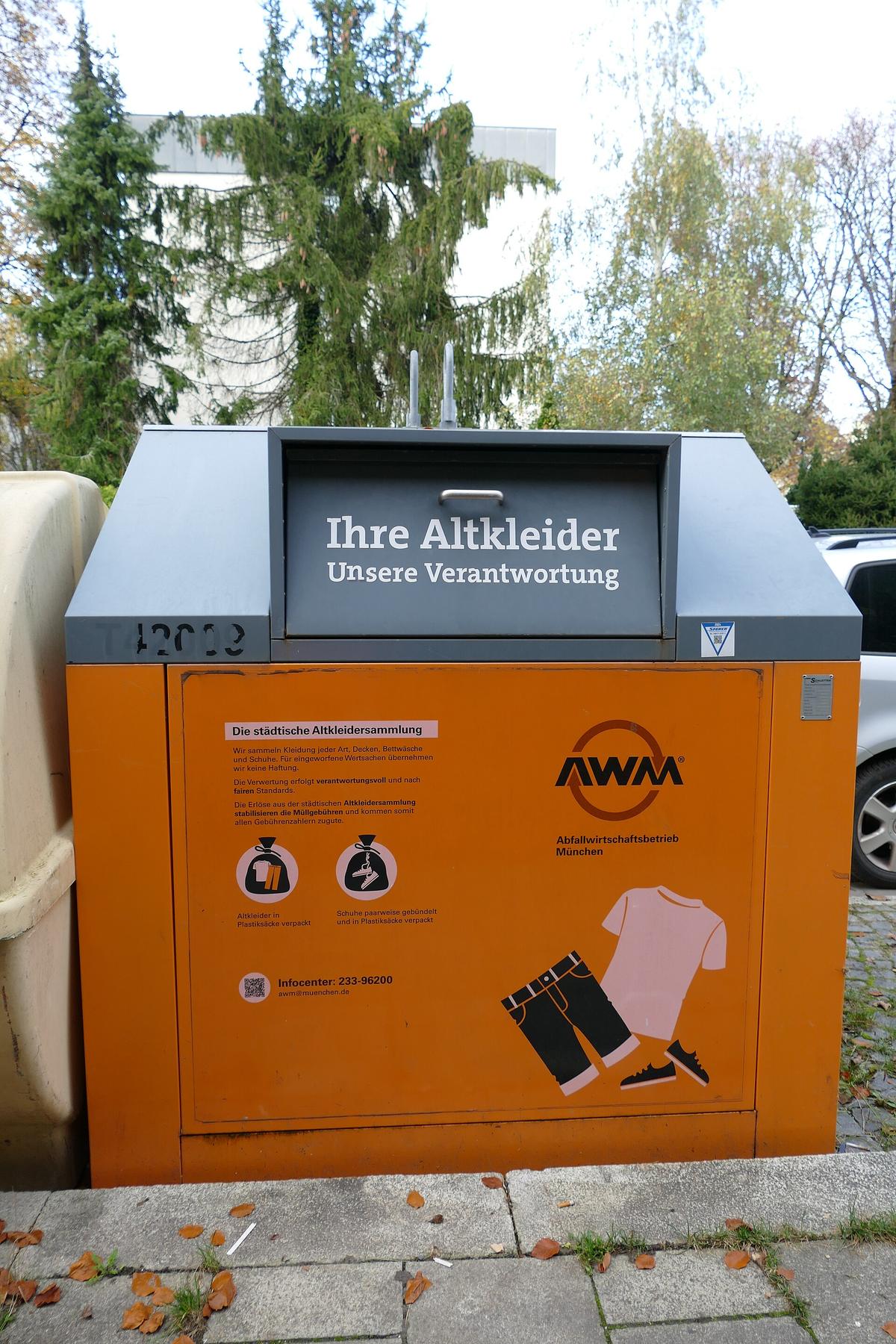

| Disposal Route | Share of Textile Waste | Notes |
|---|---|---|
| Incineration | Approximately 98% | Synthetic fibres release fossil carbon; ash goes to Semakau Landfill |
| Reuse via charitable bins | Less than 5% of generated volume | Donated items graded by rag sorters; export to second hand markets is the main outlet |
| Downcycling | 2% (the recycling rate) | Shredding into insulation, wiping rags, or furniture stuffing |
The One Thing a Household Can Do
Stop searching for a textile recycler that does not exist. Keep the garment in use. Reuse is the only realistic diversion path for the vast majority of household fabrics.
Donate items in good condition to a charitable collection bin. You will find them at HDB estates and public spaces. Rag-sorting organisations can resell or export clothing that is wearable. Worn natural-fibre items can be cut into industrial wipes. Never put any textile into the blue bin. It will be removed as contamination and burned. Do not drop garments down the rubbish chute if they still have life in them. Every piece sent to the incinerator must be replaced. The new garment will almost certainly be another polyester-cotton blend that cannot be recycled either.
What Might Shift the System
The Resource Sustainability Act does not yet cover fabrics. The mandatory reporting framework for packaging could serve as a precedent. If textile producers were obligated to report volumes and fund collection, the economics of rag sorting and downcycling might shift. Until that happens, the system will treat a shirt as fuel. Your choice is whether it burns today or lasts a little longer.
Full specification
| Accepted in the blue bin | No | manufacturer |
|---|---|---|
| How it is collected | Charity and dedicated textile bins | manufacturer |
| Where it ends up | Mostly incineration; a small reuse channel | manufacturer |
| The one thing a household can do | Reuse or donate; recycling is barely an option for cloth | manufacturer |
| Why this stream is difficult | Blended fibres cannot be separated, and the volume is rising faster than any other stream | manufacturer |
Figures labelled manufacturer are the maker's own claim and are measured by them. Owner reported figures are aggregated from owners and are the ones worth planning around.
Common Questions
Can I put old clothes in the blue recycling bin?
No. The blue bin under the National Recycling Programme does not accept textiles. Clothing dropped in the blue bin is treated as contamination at the Materials Recovery Facility and will be removed and sent for incineration.
Where can I donate clothes in Singapore?
Charitable collection bins operated by the Salvation Army, MINDS, and other organisations are located at many HDB estates, community centres, and shopping malls. Some organisations also offer doorstep collection for bulk donations.
What percentage of textile waste is recycled in Singapore?
The NEA reported a textile waste recycling rate of 2 per cent for 2023. That 2 per cent consists almost entirely of downcycling into industrial wipes and insulation, not closed loop textile to textile recycling.
Why can't polyester cotton blends be recycled?
Polyester cotton blends combine two different polymer types in a single yarn. Mechanical recycling shreds the fabric but cannot separate the two fibres. Chemical recycling can separate them but requires specialised solvents and facilities that do not exist in Singapore.
Will Semakau Landfill fill up because of textile waste?
Textile waste contributes tens of thousands of tonnes of incineration bottom ash to Semakau each year. While the landfill's closure date has moved outward due to new incineration plants, every tonne of ash uses finite space. The volume of textile waste is rising faster than any other waste stream, putting long term pressure on the landfill.
Read next
-
 What the Blue Bin Actually Takes and What Happens When It Gets Contaminated
What Singapore's blue bin actually takes—and what happens to a whole truckload when one item is wrong. The contamination rule, not just the list.
What the Blue Bin Actually Takes and What Happens When It Gets Contaminated
What Singapore's blue bin actually takes—and what happens to a whole truckload when one item is wrong. The contamination rule, not just the list.
-
 What Must Never Go in a Singapore Household Bin and Where It Goes Instead
Batteries, lamps, chemicals and sharps must never go in a Singapore household bin. Where each goes instead, scoped to Singapore disposal law.
What Must Never Go in a Singapore Household Bin and Where It Goes Instead
Batteries, lamps, chemicals and sharps must never go in a Singapore household bin. Where each goes instead, scoped to Singapore disposal law.
-
 E-waste
Singapore's e-waste Producer Responsibility Scheme makes producers fund collection and recycling. Small tonnage, high value, and a genuine battery fire risk.
E-waste
Singapore's e-waste Producer Responsibility Scheme makes producers fund collection and recycling. Small tonnage, high value, and a genuine battery fire risk.
-
 Bulky waste in Singapore
What happens to bulky waste in Singapore after the town council collects it, from dismantling and metal recovery to incineration at Tuas South and the ash that reaches Semakau Landfill.
Bulky waste in Singapore
What happens to bulky waste in Singapore after the town council collects it, from dismantling and metal recovery to incineration at Tuas South and the ash that reaches Semakau Landfill.
-
 Plastic
Resin codes are not a recyclability rating. In Singapore's blue bin system, a plastic item is recycled only if it survives the MRF sort and finds a buyer.
Plastic
Resin codes are not a recyclability rating. In Singapore's blue bin system, a plastic item is recycled only if it survives the MRF sort and finds a buyer.
-
 Household batteries
Why household batteries cause fires in Singapore's waste system and the correct disposal pathway through ALBA E-waste collection points under the Producer Responsibility Scheme.
Household batteries
Why household batteries cause fires in Singapore's waste system and the correct disposal pathway through ALBA E-waste collection points under the Producer Responsibility Scheme.
-
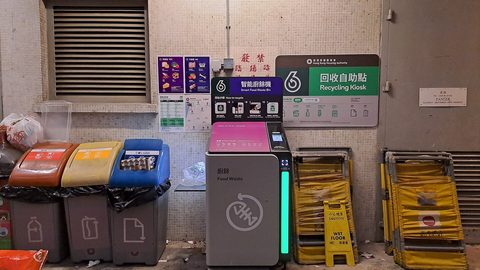 Food waste
 is Singapore's heaviest household stream and the hardest to recover. Moisture and decomposition make it a problem before sorting even begins.
Food waste
Food waste is Singapore's heaviest household stream and the hardest to recover. Moisture and decomposition make it a problem before sorting even begins.
-
 Glass
Glass is infinitely recyclable in theory but breaks in Singapore's commingled blue bin and contaminates paper. Ceramics are the specific poison.
Glass
Glass is infinitely recyclable in theory but breaks in Singapore's commingled blue bin and contaminates paper. Ceramics are the specific poison.