How E-Waste in Singapore Is Collected Under the Producer Responsibility Scheme
Singapore's e-waste Producer Responsibility Scheme makes producers fund collection and recycling. Small tonnage, high value, and a genuine battery fire risk.
How E-Waste in Singapore is Collected Under the Producer Responsibility Scheme
The lithium ion battery in your discarded phone will start a fire if it goes into a rubbish chute. That failure mode makes the legal framework for e-waste not a piece of bureaucratic trivia but a fire safety measure you rely on. The Resource Sustainability Act 2019 created the Producer Responsibility Scheme for e-waste, which took effect on 1 July 2021. It shifts the cost and the logistical burden of collecting regulated consumer electrical and electronic equipment from the taxpayer to the companies that place those products on the market. ALBA E-Waste Smart Recycling Pte Ltd is the operator appointed to run the scheme. That appointment runs for a fixed five-year term from 1 July 2021 to 30 June 2026, after which the licence is re-tendered, so anyone relying on the scheme details must verify the current operator against the National Environment Agency licence register. The scheme is the only lawful channel for disposing of the six categories of regulated e-waste in Singapore, and it exists because incineration, the alternative, is both a material loss and a genuine fire hazard.
Why the Producer Responsibility Scheme Exists Under the Resource Sustainability Act 2019
Before July 2021, e-waste disposal in Singapore was voluntary. A household that wanted to recycle a laptop or a refrigerator had to find a private recycler or wait for a community event. Most devices went into the refuse chute, were incinerated at one of the four waste-to-energy plants (Tuas South, Senoko, Keppel Seghers Tuas, or TuasOne), and the residue, roughly 20 percent of input mass by NEA-reported estimates, became incineration bottom ash barged to Semakau Landfill. The landfill is the engineered enclosure between Pulau Semakau and Pulau Sakeng and the only landfill in the country. Its remaining capacity is recalculated each year based on disposal trends and new plant commissioning, so the closure date is a modelled projection, not a physical countdown. Sending valuable metals and hazardous components to that landfill made no engineering sense. The Resource Sustainability Act 2019 Part 3 created a legal obligation on producers to finance collection and recycling proportional to their market share. A producer is any entity that supplies regulated electrical or electronic products for consumption in Singapore, down to a threshold of one unit supplied per year. That obligation funds ALBA E-Waste collection bins, retailer take-back, and licensed recycling. The scheme is the mechanism that keeps lithium ion batteries out of the incineration stream.
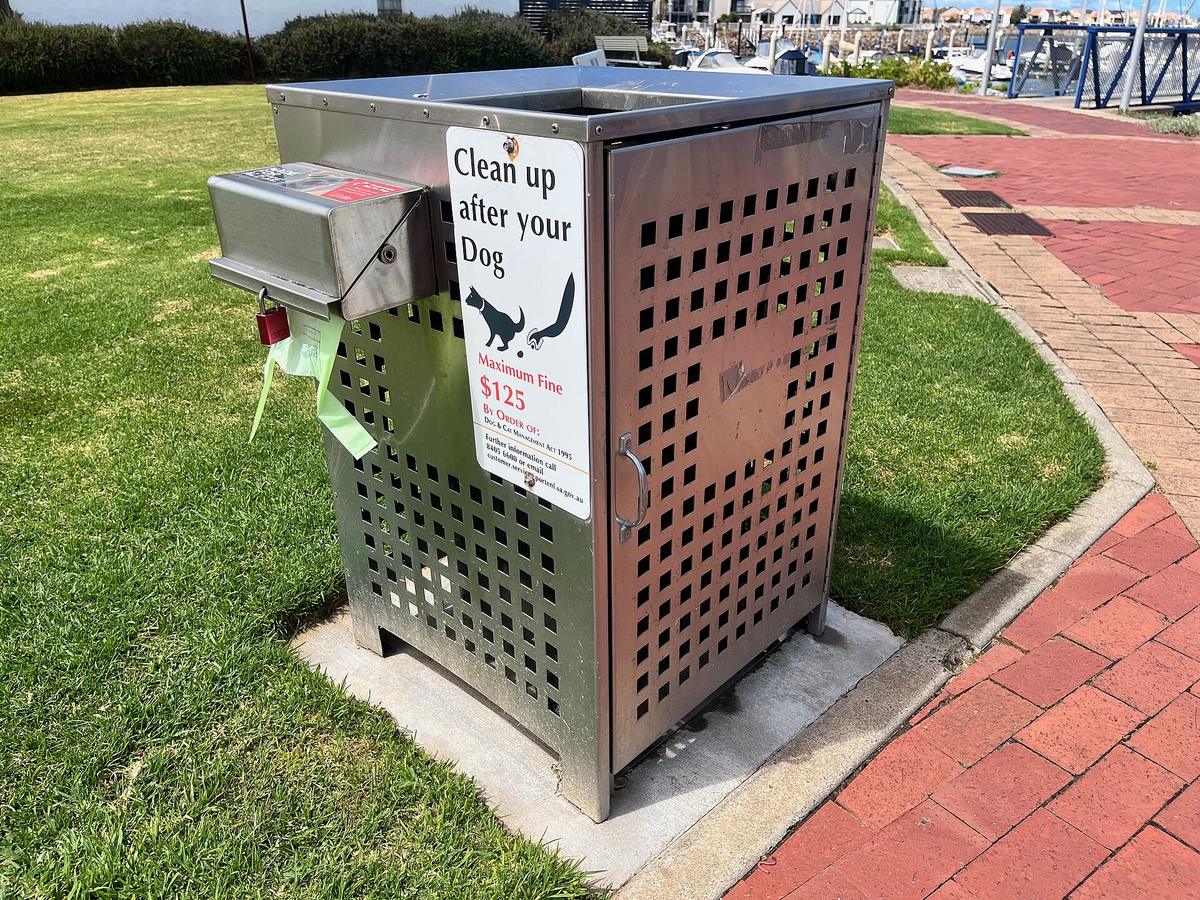
How the Singapore E-Waste Recycling Scheme Actually Works
The scheme classifies regulated consumer e-waste into six categories. Category 1 covers ICT equipment: personal computers, laptops, tablets, mobile phones, routers, modems, set-top boxes, and printers with a footprint of 500 square centimetres or less. Category 2 covers large household appliances: refrigerators with capacity up to 900 litres, air conditioners, washing machines with load up to 10 kilograms, dryers, and televisions with a display of 40 inches or larger. Category 3 covers electric mobility devices: e-scooters, e-bicycles, and power-assisted bicycles. It does not cover electric cars or motorcycles. Category 4 covers portable batteries: AA, AAA, AAAA, D, C, 9-volt, button cells, and rechargeable batteries for consumer devices. Category 5 covers consumer lamps: compact fluorescent lamps, fluorescent tubes, LED bulbs, and incandescent bulbs. Category 6 covers solar photovoltaic panels at the consumer and residential scale, not utility-scale installations.
Collection Channels For Households
ALBA provides four collection channels. First, retailer take-back on delivery of a new equivalent item for large appliances, ICT equipment, and lamps, free of charge. The shop must accept the old unit when they deliver the new one. Second, over-the-counter drop-off at any ALBA partner outlet for items within a size limit of 25 centimetres by 25 centimetres by 25 centimetres. That channel accepts unbagged items but only batteries and bulbs. Third, ALBA e-waste recycling bins placed in public locations, town centres, residential estates, schools, and community clubs. Three bin types exist: one for ICT items, bulbs, and batteries that are hand-carriable size; one for large appliances; and one for e-mobility devices. Fourth, scheduled bulky e-waste collection via the ALBA booking system for household doorstep pickup. It requires a minimum of one large item or three regulated items and is free. Book through the ALBA online portal at alba-ewaste.sg or through WhatsApp.
Retailer Obligations
Non-producer retailers with a floor area of 300 square metres or more must host an in-store e-waste bin for ICT items, lamps, and batteries at no charge to the customer. Producers finance the entire operation. They pay ALBA proportional to their market share. That funding covers bin placement, transport, sorting, dismantling, and material recovery by a licensed recycler. The downstream fate of collected e-waste is not disaggregated in publicly available NEA data. The fraction dismantled for domestic material recovery versus exported for processing is unknown in the public reporting. Commercial sensitivity of downstream contracts prevents full traceability. A reader should assume the system is a licensed recycling chain but should not assume full domestic material recovery.
The Battery Fire Risk in Singapore Waste That Makes This Scheme a Safety Issue
Lithium ion batteries are excluded from the blue recycling bin under NEA advisory. That advisory exists because batteries in commingled general waste or blue-bin recycling cause fires in collection vehicles, materials recovery facilities, and incineration plants. At least three publicly reported incidents between 2021 and 2025 involved collection vehicle fires attributed to punctured or crushed lithium ion batteries in Singapore. No published national aggregate figure for battery fire incidents exists. NEA issued battery fire advisories to Public Waste Collectors in 2023 and 2024. Here is how it happens. A battery in a bin is compressed by the collection vehicle packer blade. The compression damages the separator inside the cell. A short circuit follows. The flammable electrolyte ignites. In a collection vehicle the fire is contained but can total the truck. At a material recovery facility it can ignite paper and plastic stock. At a waste-to-energy plant it can cause an explosion in the feed chute.
The Producer Responsibility Scheme provides the only dedicated channel for batteries. Category 4 covers portable batteries specifically. ALBA bins include a separate battery compartment. The scheme recommends bagging batteries before deposit but does not mandate it. The dry cell battery recycling rate for Singapore in 2022 was 10 percent, according to NEA. That figure is annual and is revised each year. Check the 2024 rate against the current NEA Waste and Recycling Statistics release. A rate of 10 percent means nine out of ten batteries still go into general waste or the blue bin, each one a potential ignition source.
E-Waste Producer Responsibility Singapore: What the Obligations Mean for Businesses
A small business that supplies regulated electrical or electronic products must register under the Producer Responsibility Scheme if it supplies at least one unit per year. The obligation is to finance ALBA collection and recycling operations proportional to market share. The business does not run its own collection scheme. It pays ALBA. Reporting is part of scheme compliance. The Mandatory Packaging Reporting framework under Part 3 of the Resource Sustainability Act covers packaging separately and requires obligated producers to report packaging volumes and plans. That is a reporting scheme first. The e-waste PRS requires a financial contribution. For a small business selling laptops or batteries, the practical effect is that it must track the volume of products placed on market and remit the corresponding fee to ALBA. Failure to register risks enforcement action by NEA. The threshold is one unit. Any business selling a regulated product is captured.
What Is Not Covered By The Scheme
Unregulated e-waste, which falls outside the six categories, must go through town council bulky waste collection or the Public Waste Collector via general waste and incineration. The scheme does not cover industrial or utility-scale solar panels, electric cars, motorcycles, medical devices, or industrial ICT equipment. The distinction between regulated and unregulated determines the legal disposal route. Putting a regulated item into general waste violates the scheme. Enforcement relies on producer compliance rather than household policing, but the intent is that every regulated item has a funded recycling pathway.
ALBA E-Waste Collection Singapore: Where the Bins Are and What Goes in Them
ALBA operates three bin types in public locations across Singapore. The first bin accepts ICT equipment, lamps, and batteries that are hand-carriable size. The second accepts large appliances: refrigerators, washing machines, televisions, and dryers. The third accepts e-mobility devices: e-scooters and e-bicycles. The bins are placed in town centres, residential estates, schools, and community clubs. Find the nearest bin by checking the ALBA portal; NEA also publishes a bin location map. The bin network supplements the retailer take-back channel and the scheduled bulky collection service.
With four channels, there is no practical barrier to disposing of regulated e-waste legally. The barrier is awareness. The contamination rate of blue bins in Singapore is 40 percent or higher, according to NEA reports. People put e-waste into blue bins because they do not know about the e-waste bins. The solution is to treat the e-waste bin as the default. If an item has a battery, a cord, a plug, or a circuit board, it does not go into the blue bin. It goes into the e-waste bin or back to the retailer.
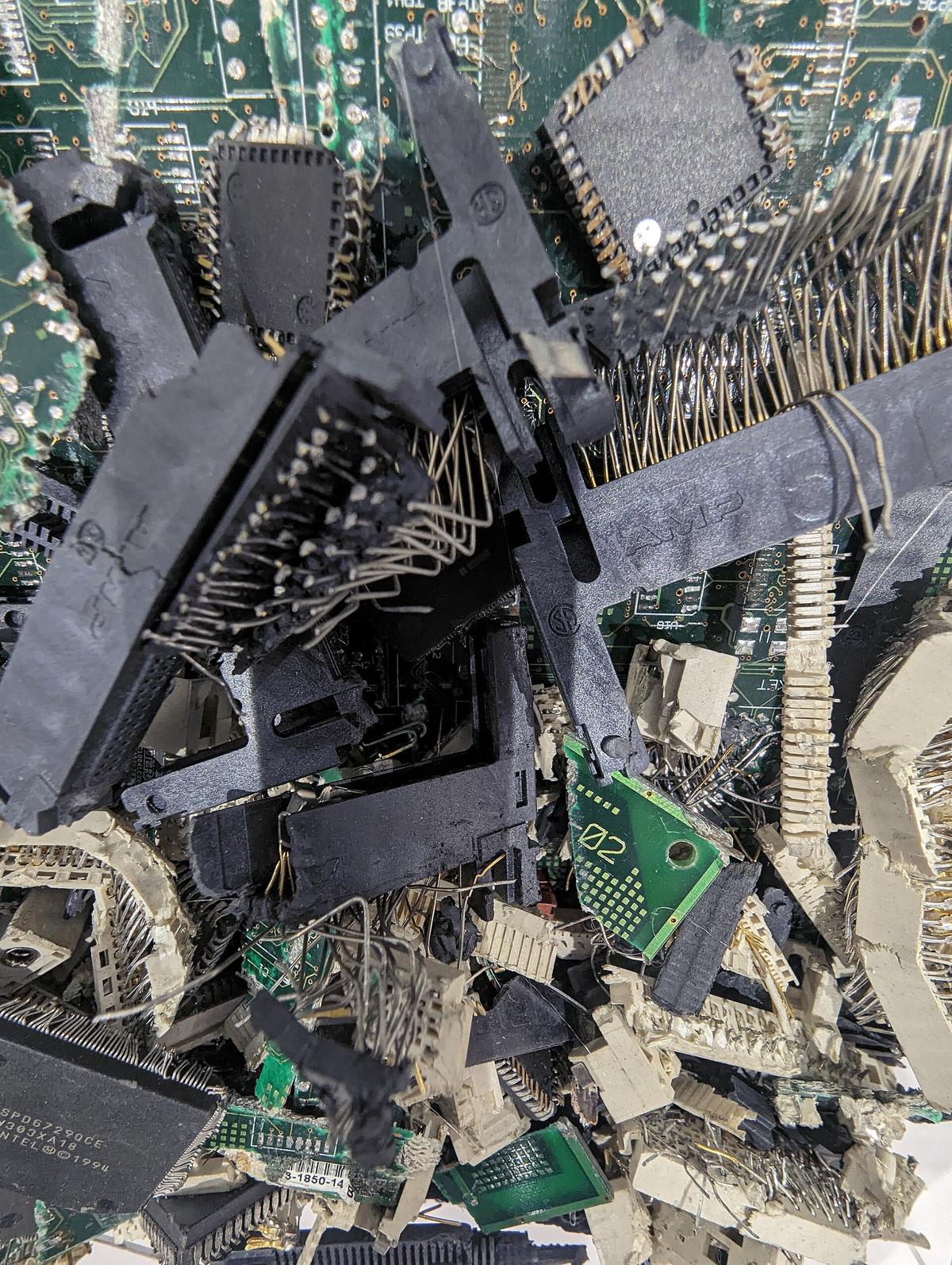


What the Scheme Does Not Tell You About Downstream Fate
The Producer Responsibility Scheme requires that collected e-waste is sent to a licensed recycler. What happens at that recycler is not fully visible. The public NEA breakdowns do not disaggregate the fraction dismantled for domestic material recovery from the fraction exported for processing. That is a gap. Commercial sensitivity of downstream contracts prevents full traceability. If you are comparing systems as a zero-waste practitioner, note that Singapore does not claim full domestic circularity for e-waste. The scheme is a funded collection and licensed recycling chain. It is not a closed loop. The same caution applies to the blue bin recyclable list and the packaging recyclable label. An item marked recyclable internationally may not be accepted by Singapore MRF capability and offtaker demand. The blue bin contamination rate of 40 percent or higher means a significant fraction of what goes into the bin ends up incinerated anyway. The e-waste scheme has a cleaner stream because it is source-separated, but the downstream fate is unknown in the public record. That is the honest difference between the policy intention and the operational reality.
Who Should Pay Attention to These Rules
A householder who puts a phone charger or a dead power bank into the blue bin is adding to the battery fire risk. Know your nearest ALBA bin location and the retailer take-back rule. That changes what you do on a Saturday morning. A small business deciding how to handle e-waste under the producer responsibility and mandatory reporting rules needs to know that the threshold is one unit per year and that the obligation is financial, not logistical.
If you track recycling rates as a policy researcher, you need the honest difference between the national recycling rate of 50 to 60 percent and the domestic recycling rate of 12 to 13 percent. The e-waste scheme is a microcosm of that gap. The infrastructure is built. The behaviour change is incomplete.
When This Is Not The Right Subject
A corporate sustainability auditor looking for firm-specific compliance data will not find it here. The site describes the system, not individual company performance. A water-systems researcher looking for NEWater or used-water treatment is in the wrong place. Those are separate closed-loop systems. An industrial-waste or construction-waste professional seeking detailed C&D or toxic industrial disposal protocols should look elsewhere. This covers the municipal e-waste stream under the Producer Responsibility Scheme and the battery fire risk that makes the scheme necessary.
The one action that changes everything for a household: take the battery out of the device and drop it in an ALBA bin rather than the blue bin or the refuse chute. That single choice removes the ignition source from the waste stream.
Full specification
| Accepted in the blue bin | No - it needs the dedicated e-waste channel | manufacturer |
|---|---|---|
| How it is collected | Designated e-waste bins and retailer take-back | manufacturer |
| What ruins a batch | Lithium batteries left inside a device, which start fires in collection vehicles | manufacturer |
| Where it ends up | Licensed recycler under the EPR scheme | manufacturer |
| The one thing a household can do | Take batteries out and use a dedicated bin, not the blue one | manufacturer |
| Why this stream is difficult | Small volume, high value, and genuinely hazardous if handled as general waste | manufacturer |
Figures labelled manufacturer are the maker's own claim and are measured by them. Owner reported figures are aggregated from owners and are the ones worth planning around.
Common Questions
How do I dispose of a laptop in Singapore?
Drop it at any ALBA e-waste recycling bin for ICT equipment, use the retailer take-back service when you buy a new laptop, or schedule a free bulky collection through the ALBA portal. Remove the battery if it is detachable. Do not put the laptop in the blue recycling bin. Do not put it in the refuse chute. Incineration destroys the embedded materials and the battery creates a fire risk.
Can I put batteries in the blue recycling bin?
No. Lithium ion batteries and all portable batteries are excluded from the blue recycling bin under NEA advisory. They belong in an ALBA e-waste bin, which has a dedicated battery compartment, or at a retailer take-back point. A battery in the blue bin or general waste risks starting a fire in the collection vehicle or the material recovery facility. NEA advises bagging batteries before deposit into an e-waste bin but does not mandate it.
What is the Producer Responsibility Scheme for e-waste?
It is the legal framework under the Resource Sustainability Act 2019 Part 3 that requires producers to finance the collection and recycling of regulated consumer e-waste. Producers pay ALBA E-Waste Smart Recycling proportional to their market share. The scheme began on 1 July 2021 and covers six categories of e-waste, from laptops and fridges to batteries and solar panels. It keeps hazardous materials and valuable metals out of the incineration stream.
Who is ALBA E-waste?
ALBA E-Waste Smart Recycling Pte Ltd is the operator appointed by NEA to run the Producer Responsibility Scheme for regulated consumer e-waste. The appointment is for a five-year term from 1 July 2021 to 30 June 2026. After that date the licence is re-tendered. ALBA operates the bin network, the retailer take-back programme, the scheduled bulky collection service, and the downstream recycling chain. Verify the operator name and contact details against the current NEA licence register, because the appointment is perishable.
How much e-waste is recycled in Singapore?
NEA does not publish a separate national e-waste recycling rate. E-waste is embedded in the general waste recycling rate. The dry cell battery recycling rate was 10 percent in 2022 per NEA. That figure is annual and must be checked against the latest NEA Waste and Recycling Statistics release. The Producer Responsibility Scheme collection rate, measured in kilograms per capita or as a percentage of placed-on-market, is still establishing baselines. The downstream fate of collected e-waste is not disaggregated in public data.
Read next
-
 What the Blue Bin Actually Takes and What Happens When It Gets Contaminated
What Singapore's blue bin actually takes—and what happens to a whole truckload when one item is wrong. The contamination rule, not just the list.
What the Blue Bin Actually Takes and What Happens When It Gets Contaminated
What Singapore's blue bin actually takes—and what happens to a whole truckload when one item is wrong. The contamination rule, not just the list.
-
 What Must Never Go in a Singapore Household Bin and Where It Goes Instead
Batteries, lamps, chemicals and sharps must never go in a Singapore household bin. Where each goes instead, scoped to Singapore disposal law.
What Must Never Go in a Singapore Household Bin and Where It Goes Instead
Batteries, lamps, chemicals and sharps must never go in a Singapore household bin. Where each goes instead, scoped to Singapore disposal law.
-
 Bulky waste in Singapore
What happens to bulky waste in Singapore after the town council collects it, from dismantling and metal recovery to incineration at Tuas South and the ash that reaches Semakau Landfill.
Bulky waste in Singapore
What happens to bulky waste in Singapore after the town council collects it, from dismantling and metal recovery to incineration at Tuas South and the ash that reaches Semakau Landfill.
-
 Plastic
Resin codes are not a recyclability rating. In Singapore's blue bin system, a plastic item is recycled only if it survives the MRF sort and finds a buyer.
Plastic
Resin codes are not a recyclability rating. In Singapore's blue bin system, a plastic item is recycled only if it survives the MRF sort and finds a buyer.
-
 Household batteries
Why household batteries cause fires in Singapore's waste system and the correct disposal pathway through ALBA E-waste collection points under the Producer Responsibility Scheme.
Household batteries
Why household batteries cause fires in Singapore's waste system and the correct disposal pathway through ALBA E-waste collection points under the Producer Responsibility Scheme.
-
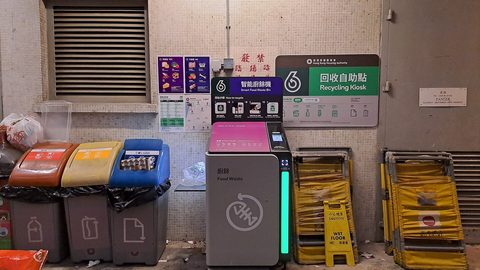 Food waste
 is Singapore's heaviest household stream and the hardest to recover. Moisture and decomposition make it a problem before sorting even begins.
Food waste
Food waste is Singapore's heaviest household stream and the hardest to recover. Moisture and decomposition make it a problem before sorting even begins.
-
 Glass
Glass is infinitely recyclable in theory but breaks in Singapore's commingled blue bin and contaminates paper. Ceramics are the specific poison.
Glass
Glass is infinitely recyclable in theory but breaks in Singapore's commingled blue bin and contaminates paper. Ceramics are the specific poison.
-
 Textiles
Textile waste in Singapore is growing faster than any other stream with almost no recycling. Blended fibres cannot be separated, so reuse is the only real option for households.
Textiles
Textile waste in Singapore is growing faster than any other stream with almost no recycling. Blended fibres cannot be separated, so reuse is the only real option for households.