Standing Over the Blue Bin: What Singapore's Commingled Recycling Accepts and Rejects
What Singapore's blue bin actually takes—and what happens to a whole truckload when one item is wrong. The contamination rule, not just the list.
Standing Over the Blue Bin: What Singapore’s Commingled Recycling Accepts and Rejects
You are holding a rinsed pasta jar and a pizza box with a single grease stain. The blue bin lid is open. The acceptable items list on the NEA sticker looks straightforward. But that pizza box is the test that decides whether your entire housing block's load ends up at Tuas South Incineration Plant instead of a Materials Recovery Facility. The jar goes in. The pizza box does not. The reason is physics at the MRF and chemistry in the offtaker's furnace.
How Commingled Single-Stream Collection Works and Where it Breaks
Singapore's National Recycling Programme uses a commingled single-stream collection system. Every item from your blue bin enters the same truck compartment as every item from your neighbour's bin. The truck goes to a Materials Recovery Facility sorting line where humans and machines separate paper, metal, plastic and glass into clean bales for export offtakers. One food-soiled item can spoil everything around it. Food residue on paper means the fibre cannot be sold to a paper mill. Liquid left in a bottle rots inside the bale and the entire batch is rejected. The system has no way to wash items after collection. If the item is not clean when it reaches the sort line, it is garbage.
NEA's 2024 data showed a domestic recycling rate of 11 percent across 1.89 million tonnes of household waste. The impurity rate in blue bins is the primary cause. That number measures system failure, not household bad faith. When a person puts a soiled item into the blue bin they are following the logic of convenience that the commingled system was designed to encourage. The system asked for convenience and got spoilage.
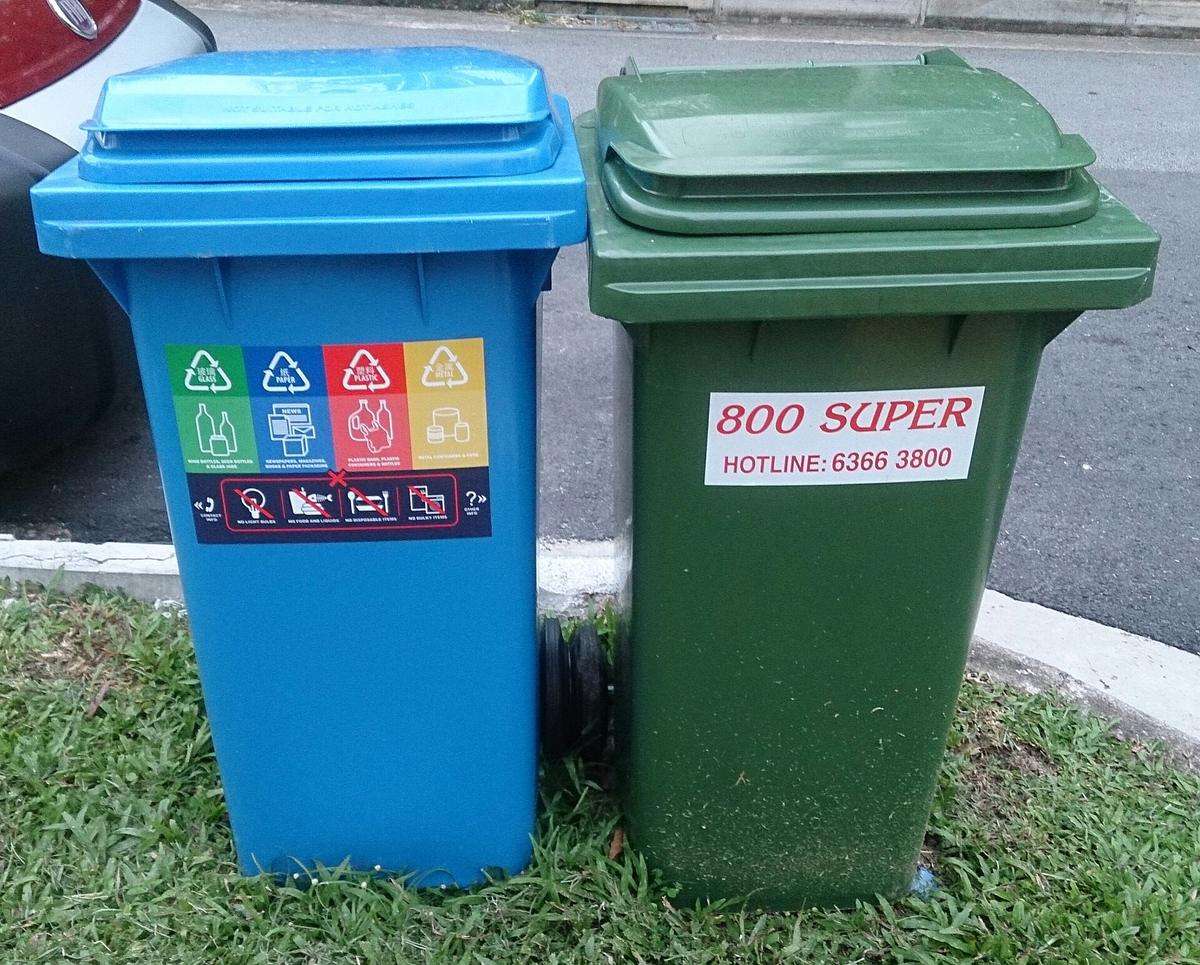

Singapore Blue Bin Acceptable Items: NEA Standard List
What the Bin Actually Takes
The NEA published guidance for blue bin acceptable items, version current as of 2025, lists six categories. Paper and cardboard, clean and dry. Glass bottles and jars, rinsed. Metal cans, aluminium and steel, rinsed. Plastic bottles and containers, codes 1 and 2 only, rinsed. Beverage cartons including Tetra Pak, rinsed and flattened. That is the full set. Every item outside these six is a reject, and every item inside these six loses its status if it carries food or liquid residue.
Why Your Yoghurt Pot Is Refused
Items that are technically reprocessable but not on this list do not belong in the blue bin. The list is not a statement about what is recoverable in a chemistry lab. It is a statement about what the current MRF sorting technology and the current export offtaker purity standards will accept. A PET bottle meets the standard. A polypropylene yoghurt pot, code 5, does not, because the MRF's optical sorters cannot reliably separate non-bottle PP shapes from the stream, and no domestic offtaker buys them.
| Item | Status | Downstream Reason |
|---|---|---|
| Clean paper and cardboard | Accepted | Fibre mill will take it if dry and free of grease |
| Glass bottles and jars, rinsed | Accepted | Glass cullet can be remelted if free of ceramics |
| Metal cans, rinsed | Accepted | Steel and aluminium are magnetically or eddy-current separable at MRF |
| Plastic bottles codes 1 and 2, rinsed | Accepted | PET and HDPE have stable offtaker markets when sorted |
| Beverage cartons, rinsed and flattened | Accepted | MRF can separate if flat; offtaker demand varies by contract |
| Pizza box with grease stain | Rejected | Food oil cannot be removed; fibre mill rejects the entire bale |
| Ceramic mug or plate | Rejected | Shatters into abrasive powder that ruins glass cullet melt |
| Soft plastics and plastic bags | Rejected | LDPE films wrap mechanical screens and jam optical sorters |
| Styrofoam | Rejected | No offtaker in Singapore; it is a low-density contaminant |
| Textiles and shoes | Rejected | Entangle conveyor belts and cannot be sorted by MRF equipment |
| E-waste | Rejected | Must go to ALBA E-waste PRS collection points; contains hazardous materials |
Singapore Recycling Contamination Rules: the Truckload Rejection Threshold
When a Public Waste Collector picks up a blue bin, the load is inspected at the MRF. The spoilage threshold for load rejection sits around 20 percent visual impurity by volume or weight. NEA contracts specify this metric, and the exact figure is set in each tender cycle. If the load exceeds that threshold, the entire truckload is redirected to the incinerator. No partial salvage happens. The sorting line does not pick out the clean items. The whole mass goes to a Waste-to-Energy plant, and the ash from those materials ends up at Semakau Landfill. The 2024 figure for ash landfilled at Semakau was roughly 1,400 tonnes per day, and every truckload of spoiled material adds to that number.
The failure mode includes bagging. Items placed inside a plastic bag before going into the blue bin are treated as spoilage. The bag ties the items together and the optical sorters see a non-recoverable shape. Even if the bag is clear, the system cannot open every bag. The instruction from NEA is clear: empty items loose into the bin, never bagged. This is the single most common mistake that sends whole loads to the incinerator.
What Cannot Go in Blue Bin Singapore: the Reject Categories
Ceramics and Porcelain
Ceramics and porcelain shatter into fine abrasive powder. When that powder enters the glass cullet stream, it ruins the melt chemistry. A single ceramic plate can spoil an entire batch of recovered glass. The glass offtaker will reject the bale, and the glass is lost.
Soft Plastics
Soft plastics, including plastic bags, cling wrap and bubble wrap, are code 4 LDPE film. The MRF's mechanical screens use rotating trommels and ballistic separators. Soft plastics wrap around these components and jam them. The sort line stops. Workers cut the plastic off by hand, and the downtime costs the operator money. The MRF does not want your plastic bags.
Styrofoam and Non-Bottle Polypropylene
Styrofoam is a firm reject. It is code 6 PS, it is mostly air, it breaks into small beads that scatter across the sort line, and no offtaker in Singapore will buy it. The same applies to code 5 polypropylene in non-bottle form. The MRF's optical sorters can separate PET and HDPE bottles because they have a consistent shape and density. A yoghurt pot does not trigger the sorter reliably. It ends up in the reject stream and is burned.
NEA Recycling Programme Item List and MRF Sorting Criteria
The NEA programme item list is not a static document. It changes when MRF technology upgrades or offtaker markets shift. As of 2025, the MRF uses manual positive pick sorting, trommels, ballistic separators, magnetic and eddy-current separators, and optical sorters for plastics. The manual sorters pick out large contaminants and valuable paper grades. The trommel screens separate by size. The ballistic separator divides flat items like paper from rolling items like bottles. The optical sorters shoot compressed air at specific plastic resin codes. The system works well for items that are clean, dry and separated by resin type. It fails for items that are soiled, mixed-material or irregularly shaped.
The plastics sortable by the MRF in 2024 are PET bottles code 1 and HDPE containers code 2. The plastics not sortable are PP code 5 in non-bottle form, LDPE films code 4, PS code 6, and any multilayer or mixed-material packaging. If a package says recyclable but is made of multiple materials fused together, the MRF cannot separate the layers. It is not recoverable in Singapore's system regardless of the label.
Singapore MRF Sorting Criteria and the Borderline Items
Beverage Cartons
Beverage carton acceptance depends on current MRF capability and offtaker demand. Tetra Pak cartons are accepted in the blue bin if they are rinsed and flattened. Flattening is critical. A crushed carton passes through the ballistic separator as a flat item and ends up in the paper stream. An unflattened carton rolls into the container stream where it is mis-sorted and rejected. The offtaker for beverage cartons in Singapore shifts. When the global paper market price for mixed paper is low, the MRF may reject cartons even if they are clean, because the bale cannot be sold at a profit. That is not a rule printed on the bin. It is a market condition that changes quarterly.
Glass
Glass bottles and jars are accepted, but the MRF prefers whole bottles. Broken glass is harder to sort because the small pieces fall through the trommel screens and end up in the fines stream, which goes to landfill. Place glass in the blue bin whole. If a bottle breaks during collection, that glass is lost.
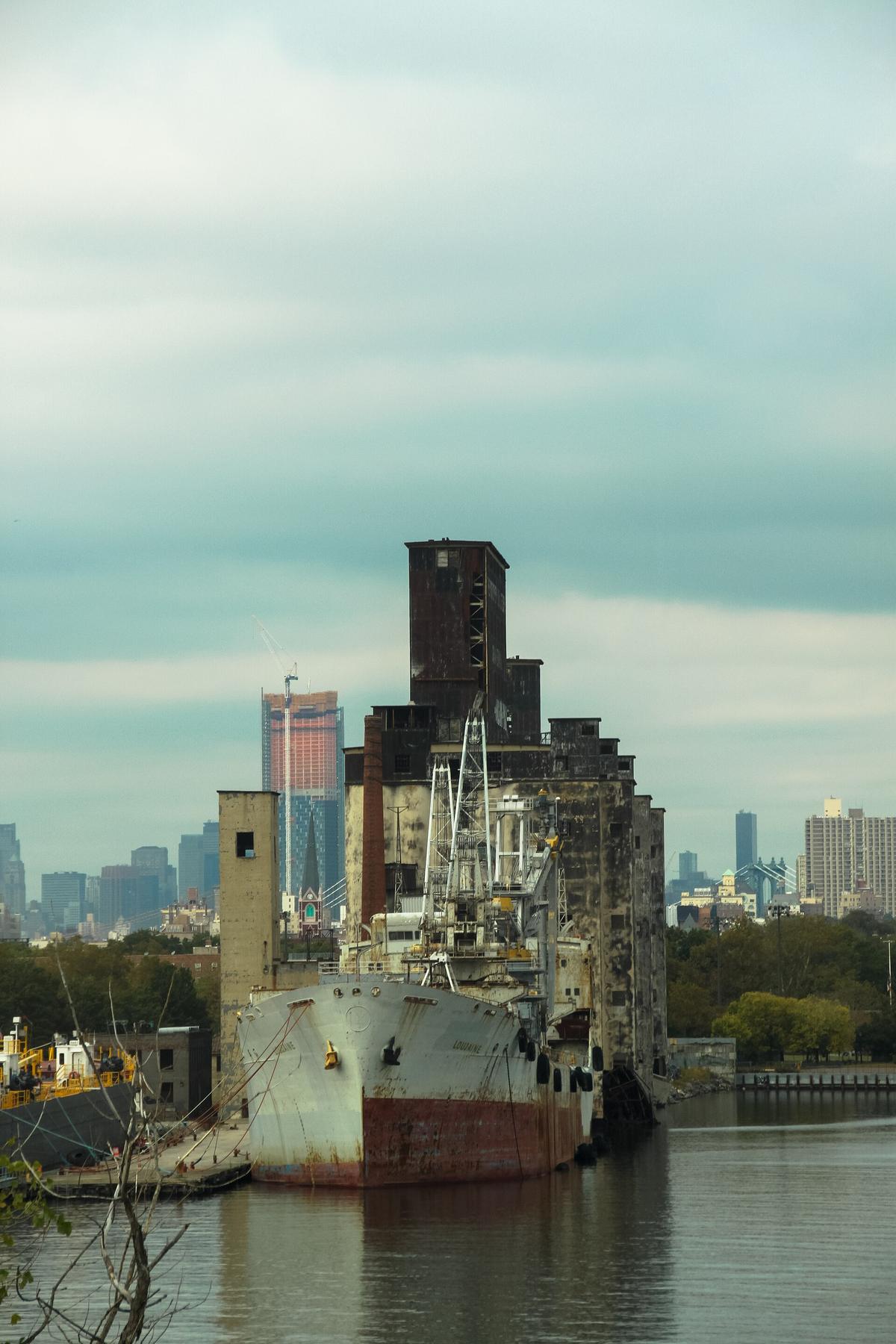

What Happens When Contaminated Recyclables Reach the MRF
A spoiled load arrives at the MRF. The inspection team estimates the impurity fraction. If it exceeds the rejection threshold, the truck is sent to a Waste-to-Energy plant. The burning process consumes the materials as fuel, generates electricity, and produces incineration bottom ash and fly ash. The bottom ash is transported to Tuas Marine Transfer Station and barged to Semakau Landfill. The fly ash is treated separately and also landfilled. The energy recovered from burning spoiled material is lower than the energy from burning clean waste because moisture from food residue reduces the calorific value. The system loses both the material and the energy efficiency.
If the load is below the threshold but contains some impurities, the MRF tries to sort them out. Human sorters pick visible contaminants by hand. Magnetic separators catch steel cans. Eddy-current separators catch aluminium. Optical sorters shoot out PET and HDPE. Everything else falls off the end of the sort line as reject. The NEA reported in 2024 that the overall recovery rate for domestic waste was 11 percent. That means 89 percent of what residents put out for recovery and general waste combined went to incineration or landfill. The blue bin impurity rate is the largest contributor to that figure.
Incineration of Contaminated Recyclables and the Semakau Timeline
Semakau Landfill's projected closure date is 2035 under current waste reduction efforts. That projection moves outward every time a new incineration plant is built or a waste reduction policy takes effect. The TuasOne WtE Plant and the Integrated Waste Management Facility under construction have pushed the date further. But the Semakau closure date is a modelled projection, not a physical constant. Every tonne of spoiled material that is burned instead of recovered produces ash that must go to Semakau. The landfill receives about 1,400 tonnes of ash per day. That rate determines the fill speed.
The Zero Waste Masterplan targets a 30 percent domestic recovery rate by 2030 and a 70 percent overall rate by 2030. As of 2024, the domestic rate was 11 percent. The gap between the target and the reality is almost entirely an impurity problem. The system can handle more tonnage. It cannot handle dirty tonnage.
Refuse Chute vs Blue Bin Separation: the Infrastructure Constraint
Singapore's high-rise housing uses a refuse chute system. Each apartment has a chute that drops waste into a centralised bin room. That chute empties into the general waste stream, not the recovery stream. The blue bin is a separate container located near the chute room or at the ground floor. The physical separation is clear. The behavioural separation is not. When a household uses the chute for convenience, they are sending that item to the incinerator. When they walk the item to the blue bin, they are giving it a chance at the MRF. But if the item is soiled or bagged, that chance disappears.
The Public Waste Collector collection rounds for blue bins are fortnightly for HDB estates and vary by private estate contract. General waste chutes are emptied daily. The fortnightly collection means that items sit in the bin longer, giving food residue more time to rot and spoil everything in the bin. That is a design trade-off. The system chose convenience of collection frequency for general waste over cleanliness of recoverable materials.
The Single Thing That Most Often Goes Wrong
The most common failure is not a person putting the wrong item in the blue bin. It is a person putting a correct item in the blue bin while it is still wet, still food-soiled, or still inside a plastic bag. The NEA reported impurity rates of 40 percent or higher in some blue bin audits. That means nearly half of what goes into the blue bin is not recoverable by the time it reaches the MRF. The system is designed for clean, dry, loose items. If your item does not meet that standard, the blue bin is the wrong place for it, regardless of the material. The honest caveat is this: Singapore's commingled system works well only when every household pre-sorts and pre-cleans perfectly. That is not happening, and the 11 percent domestic rate is the evidence.
Common Questions
Can I put a plastic bag full of recyclables into the blue bin?
No. The bag is treated as spoilage. Empty all items loose into the bin. If the bag is reusable, take it home. If it is single-use, it goes in general waste.
What happens if I put a single greasy pizza box into the blue bin?
That pizza box can spoil everything it touches. If the MRF inspection finds the load exceeds the rejection threshold, the entire truckload goes to the incinerator. One box can ruin a neighbourhood's worth of material.
Where do e-waste batteries go if not the blue bin?
E-waste goes to ALBA E-waste Smart Recycling collection points. There are about 800 bins islandwide plus over 300 retailer and community drop-off locations. Batteries in the blue bin create fire risk at the MRF and at the incineration plant.
Why is styrofoam not recyclable in Singapore's blue bin?
No offtaker in Singapore buys styrofoam. The MRF cannot sort it because it is mostly air and breaks into small beads. It is a prohibited material under the NEA standard list and must go to general waste.
Does the national recycling rate of 56 percent mean my household recycling is working?
No. The national rate of 56 percent in 2024 includes industrial and construction waste, which dominate tonnage. The domestic rate was 11 percent in the same year. The blue bin impurity rate is the primary reason the domestic figure is low.
Read next
-
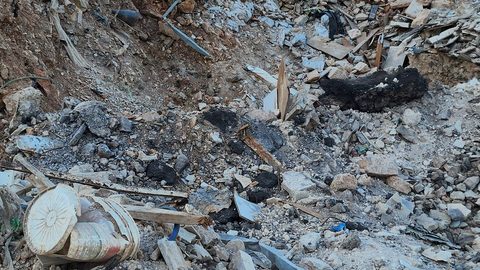 What Must Never Go in a Singapore Household Bin and Where It Goes Instead
Batteries, lamps, chemicals and sharps must never go in a Singapore household bin. Where each goes instead, scoped to Singapore disposal law.
What Must Never Go in a Singapore Household Bin and Where It Goes Instead
Batteries, lamps, chemicals and sharps must never go in a Singapore household bin. Where each goes instead, scoped to Singapore disposal law.
-
 E-waste
Singapore's e-waste Producer Responsibility Scheme makes producers fund collection and recycling. Small tonnage, high value, and a genuine battery fire risk.
E-waste
Singapore's e-waste Producer Responsibility Scheme makes producers fund collection and recycling. Small tonnage, high value, and a genuine battery fire risk.
-
 Bulky waste in Singapore
What happens to bulky waste in Singapore after the town council collects it, from dismantling and metal recovery to incineration at Tuas South and the ash that reaches Semakau Landfill.
Bulky waste in Singapore
What happens to bulky waste in Singapore after the town council collects it, from dismantling and metal recovery to incineration at Tuas South and the ash that reaches Semakau Landfill.
-
 Plastic
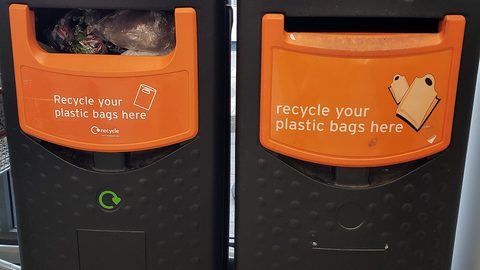
Resin codes are not a recyclability rating. In Singapore's blue bin system, a plastic item is recycled only if it survives the MRF sort and finds a buyer.
Plastic
Resin codes are not a recyclability rating. In Singapore's blue bin system, a plastic item is recycled only if it survives the MRF sort and finds a buyer.
-
 Household batteries
Why household batteries cause fires in Singapore's waste system and the correct disposal pathway through ALBA E-waste collection points under the Producer Responsibility Scheme.
Household batteries
Why household batteries cause fires in Singapore's waste system and the correct disposal pathway through ALBA E-waste collection points under the Producer Responsibility Scheme.
-
 Food waste
 is Singapore's heaviest household stream and the hardest to recover. Moisture and decomposition make it a problem before sorting even begins.
Food waste
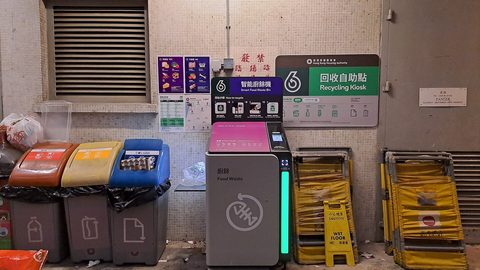
Food waste is Singapore's heaviest household stream and the hardest to recover. Moisture and decomposition make it a problem before sorting even begins.
-
 Glass
Glass is infinitely recyclable in theory but breaks in Singapore's commingled blue bin and contaminates paper. Ceramics are the specific poison.
Glass
Glass is infinitely recyclable in theory but breaks in Singapore's commingled blue bin and contaminates paper. Ceramics are the specific poison.