Zero Waste Living in Singapore: What Moves the Tonnage and What Does Not
Zero-waste living in Singapore means knowing which actions reduce the waste that reaches Semakau. Food waste and contamination avoidance matter most.
Zero Waste Living in Singapore: Actions Ranked by Measured Effect, Not Visibility
You pull the lid of the blue recycling bin, drop in a rinsed plastic bottle, and walk away. The bottle joins the commingled stream, travels to a Materials Recovery Facility, and has roughly a 50-50 chance of being sorted for recycling rather than ending up on a barge to Semakau Landfill. The national recycling rate was 52% in 2023. That figure is dominated by industrial scrap. It does not measure household behaviour. The domestic recycling rate sits at 12%, and most of what householders place in the blue bin is incinerated because of contamination.
This hub ranks actions by measured effect on the tonnage that reaches Semakau Landfill, not by how visible or trendy they are. The actions that work divert the largest waste streams before they enter the incineration system. The largest single stream is food waste.


- Waste generated (total, 2023): 6.86 million tonnes
- Domestic waste generated (2023): 1.93 million tonnes
- Domestic recycling rate (2023): 12%
- Food waste generated (2023): 755,000 tonnes
- Food waste recycling rate (2023): 18% (includes industrial streams; post-consumer rate is single-digit)
- Blue bin contamination rate (2023): ~40% by weight
- Semakau Landfill projected closure: 2035 (revised; the date moves with waste and ash production)
- Ash landfilled at Semakau (2023): ~1,600 tonnes/day
Singapore Zero Waste Guide Measured Impact: Why Food Waste Is the Biggest Lever
What The Headline Recycling Rate Hides
Food waste is the largest single stream in the household waste profile. In 2023, Singapore generated 755,000 tonnes of food waste. Only 18% was recycled. That headline rate is misleading: it includes homogenous industrial streams like spent grains and soya bean waste from manufacturing. The post-consumer rate, what households and hawker centres separate, is in the single digits.
The Food Waste Segregation Mandate under the Resource Sustainability Act targets this stream at scale, but it applies only to large commercial premises generating more than 10 tonnes of food waste per week, phased from 2024.
The One Household Action That Moves Tonnage
Meal planning. Buy what you will eat. Store it so it does not spoil. Cook portions that leave no leftovers. That action prevents food waste from entering the general waste bin, which in Singapore means it never reaches the incineration plant. Incineration reduces volume by roughly 90%, but the remaining incineration bottom ash, 15 to 20 percent of the original waste mass, is barged to Semakau Landfill. Every tonne of food waste you keep out of the bin avoids producing a proportional amount of ash that occupies space on the offshore landfill.
The kitchen section addresses how to do this: meal plans, storage tactics, and what to do with unavoidable scraps. That section owns the detail. This one owns the map showing why that effort matters more than any other.
Reduce Waste Singapore Household: The Blue Bin Trap and the Real Second Lever
How The Commingled System Breaks
Get the blue bin right. The National Recycling Programme is a commingled system: paper, cardboard, plastic bottles, glass bottles, metal cans all go into the same bin. The contamination rate, the percentage by weight of bin contents that cannot be recycled, has been routinely above 40%. A contaminated load means the whole batch is sent to incineration.
The most common failures: food residue on containers, liquids in half-full bottles, soft plastics that tangle sorting equipment, and textiles that absorb moisture and become unrecyclable. This is wishcycling. Placing a non-recyclable item in the bin hoping it will be recycled does not work.
What Never Goes In The Blue Bin
The National Environment Agency list is clear: no food waste, no liquids, no textiles, no e-waste, no batteries, no styrofoam, no soft plastics. Put a pizza box with grease stains into the blue bin and you have not recycled it. You have contaminated the material around it.
The real household recovery rate after MRF sorting is lower than the published 12% by roughly the contamination rate, because 40% or more of that tonnage is incinerated. The measurement point is at collection, not at material recovery. Avoiding contamination is the binding constraint. No amount of participation improvement can raise the real rate without reducing contamination.
| Waste Stream | Annual Tonnage (2023) | Current Recycling Rate | Viable Household Action | Measured Effect on Semakau Fill Rate |
|---|---|---|---|---|
| Food waste | 755,000 tonnes | 18% (post-consumer single-digit) | Meal planning, portion control, composting unavoidable scraps | Highest: directly reduces incineration mass and ash output |
| Plastic packaging | ~1.1 million tonnes (total packaging) | ~40% (packaging overall; plastic is lower) | Refill stores, avoiding single-use, proper rinsing for blue bin | Medium: soft plastics are not sortable; hard plastic recovery is constrained by contamination |
| E-waste | ~60,000 tonnes | ~6% | Use ALBA E-waste Smart Recycling collection points | Low: small tonnage relative to total; critical for toxic material diversion |
| Paper and cardboard | Part of household stream | Varies; heavily contaminated by food residue | Keep dry, clean, and separate from food waste | Medium: contamination sends clean paper to incinerator |
| Textiles | Part of household stream | Negligible via blue bin | Donate or use dedicated textile recycling bins | Low: small fraction of household waste; blue bin placement causes contamination |
Singapore Waste Reduction by Waste Stream: What the Child Pages Cover
Kitchen: Food Waste And Meal Planning
The kitchen section covers how to buy in quantities that match consumption, why the food waste segregation mandate applies only to large premises and what that means for households, and what composting options exist in a high-rise environment.
Bathroom And Refill: Packaging Swaps Examined
The bathroom section addresses packaging swaps and their real impact. Swapping a plastic shampoo bottle for a glass one does nothing if the glass is heavier and the product is the same. The measured effect is in the total packaging weight avoided, not in the material switch.
The refill section examines whether a refill store cuts packaging tonnage or simply shifts the packaging burden upstream to the supplier. These sections do not list actions that feel good but lack scale. Every recommendation is framed against the Semakau fill rate.
Semakau Landfill Waste Reduction: Who This Subject Suits and Who Should Skip
This subject suits a Singapore householder who wants to use the blue bin correctly and understand why the rules feel contradictory. It suits a small-business operator deciding whether a segregated collection makes operational sense. It suits a policy-literate resident who sees the 2030 Zero Waste target and wants to understand the gap between the plan and the tonnages. It suits an overseas municipal officer looking at Singapore as a case study in high-density thermal treatment. It suits a practitioner who needs to know which streams have a viable recovery pathway in Singapore and which do not, so effort goes where it counts.
Skip this if you want a directory of recycling vendors or a price list for scrap. That is a marketplace that changes by the week. Skip it if you are looking for industrial symbiosis or construction and demolition waste data. Skip it if you need a carbon-accounting comparison of incineration versus landfill. That is a different system boundary, and this site does not do carbon.
More in Zero waste living
-
 A zero waste bathroom
Zero-waste bathroom swaps in Singapore can reduce plastic packaging, but not all swaps have equal impact. Here is which ones reduce the tonnage that reaches incineration.
A zero waste bathroom
Zero-waste bathroom swaps in Singapore can reduce plastic packaging, but not all swaps have equal impact. Here is which ones reduce the tonnage that reaches incineration.
-
 A zero waste kitchen
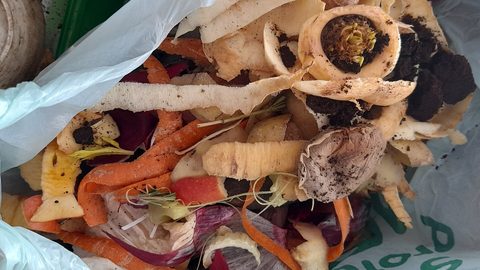
A zero-waste kitchen in Singapore starts with food-waste prevention through meal planning and storage. Swaps help, but food waste is the biggest tonnage lever.
A zero waste kitchen
A zero-waste kitchen in Singapore starts with food-waste prevention through meal planning and storage. Swaps help, but food waste is the biggest tonnage lever.
-
 Refill stores in Singapore
 let you buy dry goods and personal care products without packaging. Here is how bulk buying works and how much waste it actually prevents.
Refill stores in Singapore
Refill stores in Singapore let you buy dry goods and personal care products without packaging. Here is how bulk buying works and how much waste it actually prevents.
Zero Waste Living Singapore Actions That Work: Five Questions
What is the single most effective zero-waste action a Singapore household can take?
Prevent food waste from entering the bin. Food waste is the largest household stream, and preventing it avoids both incineration and the production of ash that goes to Semakau Landfill. Meal planning, proper storage, and cooking to portion sizes are the practical levers.
Why is the blue bin not as effective as many people assume?
The blue bin is a commingled system with a contamination rate above 40%. Food residue, liquids, soft plastics, and textiles placed in the bin cause entire batches to be sent to incineration. The household recovery rate of 12% counts material at collection, not what is recovered after MRF sorting.
What is the difference between the national recycling rate and the domestic recycling rate?
The national rate (52% in 2023) includes non-household streams, industrial scrap, construction waste, which recover at around 67%. The household rate (12%) covers homes and trade premises only. The headline figure is routinely misattributed to household performance.
Does using a refill store actually reduce packaging waste in Singapore?
It can, but the measured effect depends on whether the packaging is avoided altogether or simply shifted upstream. The refill section examines the total packaging tonnage avoided, not the visibility of the action.
Will the Beverage Container Return Scheme help reduce waste?
The BCRS is legislated but not yet operational as of 2025. When implemented, it will target drink containers, a visible fraction of packaging waste. The effect on total tonnage will depend on the deposit value, the return rate, and whether it reduces contamination in the blue bin.
Read next
-
A zero waste kitchen
A zero-waste kitchen in Singapore starts with food-waste prevention through meal planning and storage. Swaps help, but food waste is the biggest tonnage lever.
-
Refill stores in Singapore
Refill stores in Singapore let you buy dry goods and personal care products without packaging. Here is how bulk buying works and how much waste it actually prevents.
-
A zero waste bathroom
Zero-waste bathroom swaps in Singapore can reduce plastic packaging, but not all swaps have equal impact. Here is which ones reduce the tonnage that reaches incineration.