Composting in Singapore: Methods That Work in the Heat, Humidity and a Small Home
Which composting method works in Singapore's heat, humidity and a small home? Route by what you are trying to do, with every guide tested against tropical conditions.
Composting in Singapore: A Guide That Works in the Heat, Humidity and a Small Home
The most useful fact about composting in Singapore is this: no municipal collection of household food waste exists. What you do not divert from your kitchen bin goes to an incineration plant, then to Semakau Landfill as ash. In 2023, Singapore generated 755,000 tonnes of food waste; only 18% was recycled. The household share of that stream, post-consumer food waste from flats, condos, and landed homes, has a recycling rate in the single digits. Composting in a small home in Singapore's heat and humidity is not a lifestyle hobby. It is a direct act of food waste diversion from an incinerator that leaves a residue requiring an offshore landfill. Every kilogram you compost on your balcony, under your sink, or in your corridor box is a kilogram that does not travel through Singapore's waste-to-energy system.
Pick the method that fits what you are trying to achieve: divert food waste from incineration, produce compost for your plants, or manage scraps in an HDB flat with no balcony. Every method below works in Singapore's specific conditions. The choice is between composting at home or sending your food waste to the incineration plant. There is no third option for households.
- Total Food Waste Generated (2023): 755,000 tonnes
- Food Waste Recycling Rate (2023): 18%
- Domestic Waste Recycling Rate (2023): 12%
- Waste Sent to Incineration (2023): approx. 2.88 million tonnes
- Semakau Landfill Projected Closure: 2035 at current disposal rates
- Source for Figures: National Environment Agency (NEA) Waste Statistics 2023
Singapore Composting Guide HDB: What Actually Works in a Flat
If you live in an HDB flat and want to compost food waste, the constraints are real: no outdoor space, limited floor area, neighbours close enough to notice odour, and a climate that turns a pile into a rotting mess within hours if you get the balance wrong. The method that works here is bokashi. Bokashi is an anaerobic fermentation process that uses an inoculated bran to pickle kitchen waste in a sealed bucket. It does not produce the putrid smell of rotting food because the fermentation pathway stops putrefaction. Keep a small bucket, 5 to 10 litres, under your sink. Layer food scraps with a handful of the bran, and drain the liquid every few days. The bucket never needs a balcony. It does not attract fruit flies if you keep the lid sealed and drain the tap. The fermented waste, after two weeks in the bucket, can be buried in a planter box or given to a community composter. In Singapore, many condo and HDB gardeners accept bokashi pre-compost for their soil.
Why Fermentation Beats Other Methods in a Flat
Aerobic composting, the classic pile of browns and greens, requires turning, airflow, and a minimum volume to generate heat. In a small flat, you cannot maintain that volume without odour. Vermicomposting works in a flat but demands careful temperature control: Singapore's ambient heat can kill a worm bin if it exceeds 30°C, and food waste that goes anaerobic before the worms reach it produces a sour smell that draws ants. The sealed bucket sidesteps both problems. Fermentation does not rely on oxygen or living creatures that can die from heat stress.
What You Need to Start
You need a bokashi bucket with a drainage tap, available from local gardening shops, online marketplaces, and specialty retailers like The Composting Lab or FairPrice's green sections, and a bag of the inoculated carrier bran. The bran hosts lactobacillus bacteria that suppress the decomposition pathway that stinks. Cost: roughly S$30 for a bucket and S$10 a bag for bran, which lasts about two to three months depending on how much waste you process. The liquid you drain is a nutrient-rich plant food. Dilute it 1:100 with water and apply to soil or foliage.
Fruit Fly Prevention and Odour Management
Fruit flies are the single complaint that makes people abandon composting in a flat. With this sealed method, fruit flies cannot reach the waste. The only entry point is the drainage tap: keep a small container under it, change the liquid every two days, and rinse the tap with hot water weekly. If you open the bucket and see flies, the lid seal is compromised or you added waste that was already infested. Cut the affected layer out and add fresh bran on top.
Composting Methods Singapore Tropical: Aerobic Versus Anaerobic in Heat and Humidity
Singapore's climate, year-round temperatures averaging 27°C, humidity above 80%, and frequent rain, is hostile to standard aerobic composting. A traditional pile that needs a 3:1 ratio of browns to greens and regular turning to stay aerobic will, in Singapore, go anaerobic within a day if the browns are insufficient. The result is a sour, ammonia-smelling mass that attracts cockroaches and flies. The methods that survive here either work in a sealed container (the fermentation approach, which is anaerobic by design) or use the heat to accelerate thermophilic decomposition in a system that can be turned daily: a tumbler on a balcony.
When Aerobic Composting Works
A tumbler, a barrel mounted on a frame that you spin, works on a balcony or in a small yard. The tumbling action aerates the waste, and the heat outside (30-35°C on a balcony) helps thermophilic bacteria break down material fast. A tumbler can produce mature compost in four to six weeks, compared to three to six months in a cool climate. But you must keep the ratio of browns high. Shredded paper, cardboard, dry leaves: aim for 4 parts browns to 1 part greens by volume. That means you need a steady supply of brown material. Many households in Singapore lack this because they do not generate cardboard or paper at a rate equal to their food waste. If you cannot get enough browns, the tumbler becomes a wet, anaerobic mess.
The Role of Compost Starter
Compost starter, a commercial mix of beneficial microbes, can help an aerobic pile get going in the heat. Starter is useful for a tumbler on its first load, because the initial waste may not have enough microbial diversity to outcompete the fungi and bacteria that cause rot. After the first batch, the compost itself acts as a starter for subsequent batches. Do not rely on starter to fix a ratio problem: if the pile is too wet and too green, starter cannot prevent it going sour.
Home Composting Singapore Food Waste: What You Are Actually Diverting
When you compost at home in Singapore, you are diverting your food waste from the national waste stream that goes to one of four waste-to-energy incineration plants: Tuas South, Senoko, Keppel Seghers Tuas, or TuasOne. These plants collectively handle about 9,710 tonnes daily. The residue, incineration bottom ash, is barged to Semakau Landfill at a rate of roughly 1,800 tonnes per day. Every kilogram you compost reduces the ash tonnage. The Zero Waste Masterplan sets a target to reduce per capita daily waste disposal to 0.68 kg per person by 2030, and to lift the domestic recycling rate from its current 12% to 30%. Household composting is one of the few levers a resident can pull directly.
What Happens to Your Compost
Mature compost from a home system, pre-compost buried in soil, or finished material from a tumbler, is a soil amendment that improves water retention in Singapore's sandy or compacted urban soil. It is not a fertiliser in the nitrogen-phosphorus-potassium sense; it adds organic matter and microbial life. Apply it as a 2-3 cm top layer on potted plants, garden beds, or community garden plots. The compost does not replace fertiliser for heavy feeders like leafy greens, but it reduces the need for synthetic inputs.
Singapore Compost System Small Space: Which Method for Which Goal
Choose your composting method by what you want to achieve, not by what the method is called.
- Goal: divert food waste from incineration in a flat with no outdoor space. Bokashi. It works under the sink, requires no balcony, and the fermented output can be given to a gardener or buried in a community plot. The only ongoing cost is the inoculated bran. Odour is contained.
- Goal: produce compost for your own potted plants on a balcony. A tumbler. You need a balcony that gets some sun and airflow. You need a steady supply of browns: shredded paper from junk mail, cardboard from deliveries, dry leaves from a neighbour's plant. The tumbler produces finished compost in 4-6 weeks.
- Goal: process all household food waste including meat, bones, and cooked leftovers. The sealed fermentation bucket. Aerobic composting and worm bins cannot handle meat and oily food without odour and pests. The anaerobic method ferments everything: fish bones, eggshells, and curry residue.
- Goal: zero-maintenance system that runs itself. None. Composting in Singapore requires attention to moisture, ratio, and pest prevention. The heat means a neglected pile turns sour fast. If you cannot commit to checking your system weekly, the fermentation bucket is the most forgiving but still needs draining every few days.
What Does Not Work
Open piles on a balcony or in a yard fail within days. Direct burial of food waste in a potted plant, without fermenting it first, causes root rot and attracts ants. Worm bins in a non-air-conditioned room die in a heat spike. Do not start any of these unless you have a backup plan.
More in Composting
-
 Bokashi composting
How to run a bokashi system in Singapore from start to finished compost, including what to do with the fermented output when you have no garden soil.
Bokashi composting
How to run a bokashi system in Singapore from start to finished compost, including what to do with the fermented output when you have no garden soil.
-
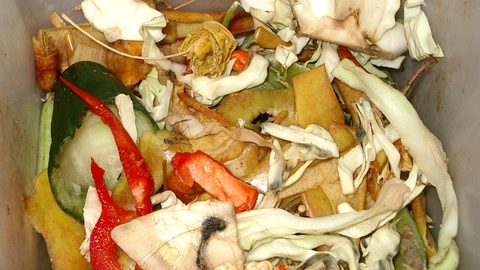 Composting in an HDB flat
Which composting method works in an HDB flat with no balcony and no smell? Bokashi and vermicomposting compared on space, odour risk and the food waste each handles.
Composting in an HDB flat
Which composting method works in an HDB flat with no balcony and no smell? Bokashi and vermicomposting compared on space, odour risk and the food waste each handles.
-
 Worm composting
How to run a worm composting bin inside a Singapore HDB flat, keeping composting worms alive in the tropical heat without a balcony or garden.
Worm composting
How to run a worm composting bin inside a Singapore HDB flat, keeping composting worms alive in the tropical heat without a balcony or garden.
Common Questions
Can I compost in an HDB flat with no balcony?
Yes. Use bokashi. The sealed bucket goes under the sink or in a kitchen cabinet. You drain the liquid every few days and the fermented waste is either buried in a planter box or given to a community composter. No balcony needed.
Does composting in Singapore smell?
Only if you use the wrong method. Bokashi has a sour, pickling smell when you open the bucket, not the rotting stench of garbage. A tumbler can smell if the ratio of browns to greens is off. Keep browns at 4:1 by volume and the odour stays earthy.
How do I stop fruit flies?
Seal the system. Bokashi bins have a lid that prevents fruit fly access. Drain the tap regularly and keep a cup under it to catch drips. If you see flies, the seal is broken or you added waste that already had eggs. Remove the top layer and add fresh bran.
What can I compost in Singapore?
Bokashi handles all food waste: fruit, vegetables, cooked leftovers, meat, bones, fish, dairy, eggshells, coffee grounds. A tumbler handles fruit and vegetable scraps, shredded paper, cardboard, dry leaves, and coffee grounds. Avoid oily food, large bones, and citrus peels in a tumbler; they slow decomposition.
How long does it take to get compost?
Bokashi takes two weeks to ferment. After that, the fermented waste needs to be buried in soil for another two to four weeks to break down fully. A tumbler can produce mature compost in four to six weeks if turned daily and kept at the right moisture level.
Where do I buy bokashi bran in Singapore?
Online marketplaces like Shopee and Lazada carry it. Local gardening shops, Greenology, The Composting Lab, and some FairPrice stores stock it. Expect S$10-15 per 1 kg bag, which lasts two to three months for a two-person household.
Is composting worth it in Singapore?
It is a net-cost activity in effort terms: you spend time and money on equipment and bran, and there is no municipal collection or financial incentive. The payoff is that you divert your food waste from incineration and produce a soil amendment for your plants. If you value food waste diversion, it is worth it. If you just want cheap fertiliser, buy it.
Read next
-
Worm composting
How to run a worm composting bin inside a Singapore HDB flat, keeping composting worms alive in the tropical heat without a balcony or garden.
-
Bokashi composting
How to run a bokashi system in Singapore from start to finished compost, including what to do with the fermented output when you have no garden soil.
-
Composting in an HDB flat
Which composting method works in an HDB flat with no balcony and no smell? Bokashi and vermicomposting compared on space, odour risk and the food waste each handles.