Singapore's Planned Beverage Container Return Scheme: Deposits, Returns, and What to Expect
Singapore's Beverage Container Return Scheme is legislated but not yet operational. Here is how the deposit, return points, and container recovery will work under the RSA.
Singapore Beverage Container Return Scheme How It Works: What Changes When The Deposit Starts
Singapore does not have a deposit on drink bottles. The Beverage Container Return Scheme (BCRS) is legislated under the Resource Sustainability Act but is not yet operational. The launch was scheduled for 1 April 2026. As of September 2026, the scheme operator has not been publicly confirmed and the subsidiary legislation setting the exact deposit value has not been gazetted. What follows is the plan as published by the National Environment Agency (NEA) and the Ministry of Sustainability and the Environment (MSE).
You pay an additional SGD 0.10 when you buy a drink in a covered container. You get that SGD 0.10 back when you return the empty container to an authorised return point. The scheme covers plastic bottles (polyethylene terephthalate, or PET), aluminium cans, glass bottles, and beverage cartons such as Tetra Pak, in sizes from 150 ml to 3 litres. Dairy beverages, soy milk, infant formula, and medical nutrition products are excluded. The return rate target is 80% by the third year of operation. In 2023, the overall beverage container recycling rate sat at 11%.
BCRS Singapore Deposit Value: The SGD 0.10 Per Container Rule
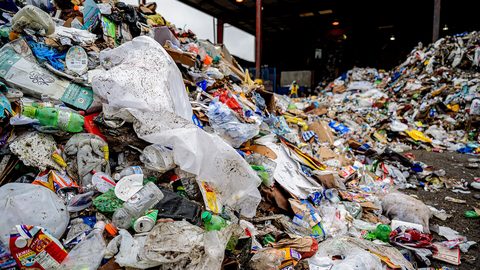
The deposit is SGD 0.10 per container. Every covered container, including those 150 ml and below. The deposit is not refundable if you throw the container into the commingled blue bin. That blue bin is a different system entirely, the National Recycling Programme (NRP). Its contamination rate, roughly 40% by weight, means a container tossed in with food residue or liquids is likely incinerated rather than recycled. The BCRS solves that problem by creating a clean, source-separated stream of containers that go straight to a reprocessor without passing through a materials recovery facility where they might be rejected.
You pay the deposit at the point of sale. The retailer collects it and remits it to the Scheme Operator. When you return the container, the return point refunds the SGD 0.10 in cash, bank transfer, or donation to charity. Unredeemed deposits, the money left on containers never returned, stay with the Scheme Operator to fund logistics, the reverse vending machines, and reprocessing contracts. That is standard in deposit-return schemes globally.
Singapore Drink Container Deposit Scheme Timeline: What Is Known And What Is Not
The timeline is the biggest source of confusion. The Resource Sustainability Act was amended in 2023 to create the legal framework. On 20 September 2024, MSE announced the planned launch date of 1 April 2026. That date has not been met, and no revised date has been formally announced. The scheme operator, the single entity appointed via tender to run the return network, has not been publicly named. The subsidiary legislation specifying the deposit amount and the labelling requirement (a deposit mark and barcode on every covered container) has not been published in the Gazette.
What is certain: the legislation exists and the policy intent is firm. The Zero Waste Masterplan targets a national recycling rate of 70% by 2030. The BCRS is the main lever for beverage containers, which account for roughly 211,000 tonnes of waste annually (2023 NEA data). What is not certain: the exact start date, the operator, and the final list of return points. If you are a beverage producer, register with NEA now and prepare your labelling. If you are a consumer, you do not yet need to do anything. The blue bin is still the only option for drink containers, and it is not a particularly good one.
| Container Type | Recycling Rate | Tonnes Generated | Tonnes Recycled |
|---|---|---|---|
| Plastic bottles (PET) | 4% | Not separately reported | Negligible |
| Aluminium cans | 51% | Not separately reported | Not separately reported |
| Glass bottles | 13% | Not separately reported | Not separately reported |
| All beverage containers combined | 11% | 211,000 | 23,000 |
Beverage Container Return Points Singapore: The 1,000-Point Network
Over-The-Counter Returns At Supermarkets
At launch, expect 1,000 return points island-wide. Retailers with a floor area of 200 square metres or more must operate a return point. Walk in, hand your empty containers to the cashier or a dedicated counter, and collect your refund. This is the simplest option if you already shop at these stores.
Reverse Vending Machines
Automated machines accept containers, scan the barcode, verify the deposit mark, and issue a refund receipt or transfer the amount to your bank account. Look for these at high-traffic locations: MRT stations, community centres, and larger retail malls. RVMs are the backbone of high-performing schemes elsewhere. Norway achieves a 92% return rate, Germany 98%, because the machines operate outside retail hours and accept high volumes.
Community Drop-Off Points
Smaller, staffed or unstaffed collection points in residential estates, often at the same location as existing recycling bins. Use these if you return low volumes or do not live near a supermarket or RVM.
What Happens To The Containers After You Return Them
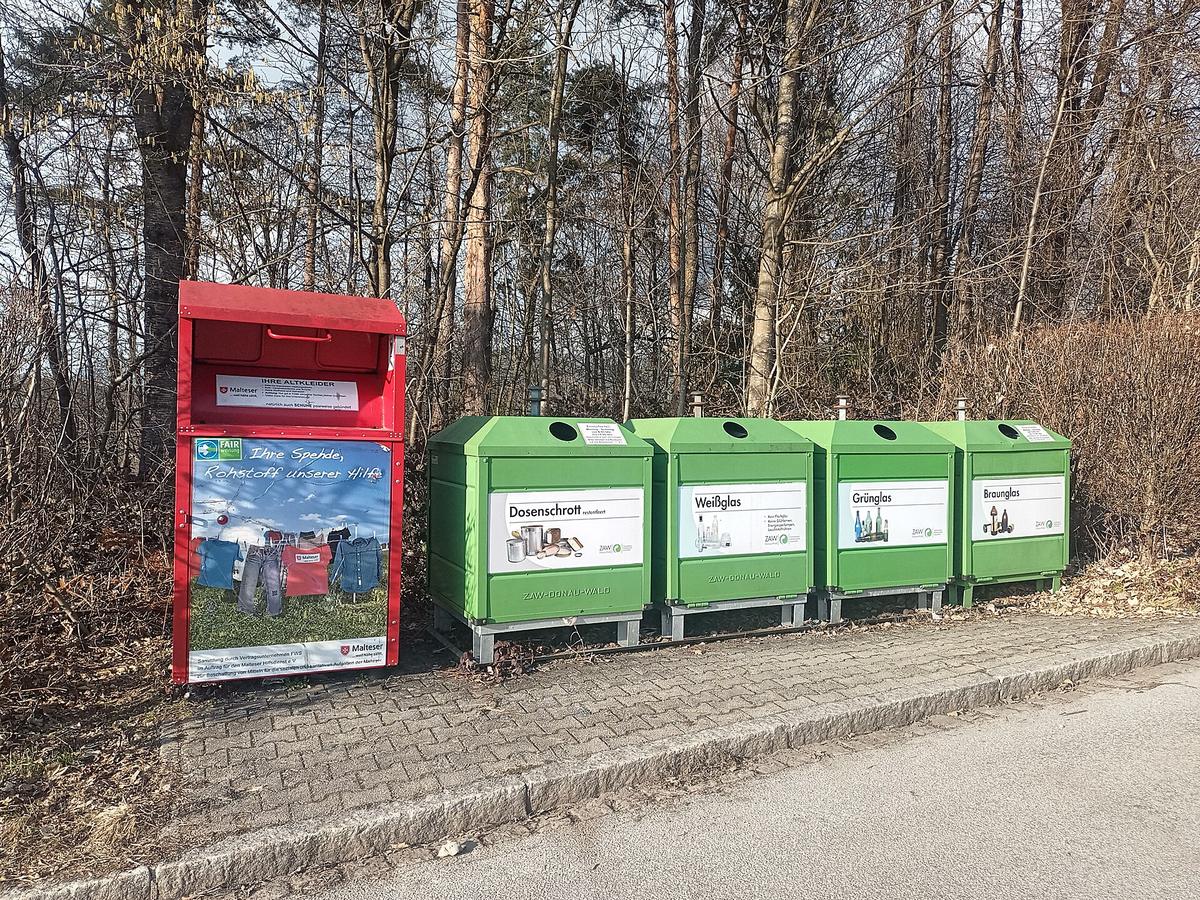
The scheme operator collects the containers from the return points and sends them to a reprocessor. Because the containers are source-separated and empty (rinse them; the deposit incentive makes emptying more likely), they arrive as clean material streams. Plastic bottles get recycled back into food-grade PET. Aluminium cans are remelted into new cans. Glass is crushed into cullet for new bottles or aggregate. Beverage cartons are more complex, they are multi-layer laminates, but dedicated recycling facilities exist in the region. The key difference from the blue bin: no contamination from food residue, no liquids leaking onto paper, no soft plastics tangling the sorting equipment. The material actually gets recycled. That is not guaranteed from the commingled system.
What The BCRS Means For Different Users
The scheme suits: A Singapore householder who currently uses the blue bin and wants a cleaner, more reliable recycling option. A beverage producer who needs to comply with the Resource Sustainability Act and understand labelling and registration obligations. A policy-literate resident or student tracking progress toward the 70% national recycling rate target. An overseas researcher looking at Singapore as a case study of Extended Producer Responsibility (EPR) for packaging.
It does not suit: Someone looking for a directory of recycling vendors or scrap prices, that information changes weekly and is not part of this scheme. A reader interested in industrial symbiosis or construction waste, those are covered by NEA's waste statistics annexes, not the BCRS. A zero-waste practitioner who wants to know which streams have viable recovery pathways; the BCRS only covers beverage containers, and other packaging types remain in the commingled system with its known contamination problems.
The single thing that most often goes wrong: treating the launch date as fixed when it is not. The scheme is real, the legislation is in force, but until the operator is appointed and the regulations are gazetted, nothing has changed for you. Do not stop using the blue bin for bottles yet. The BCRS is not running. When it does, the deposit will change your behaviour because it puts a financial value on an empty container that currently has none.
Common Questions
When does the Singapore beverage container return scheme actually start?
The planned launch date was 1 April 2026, but as of September 2026 the scheme operator has not been publicly confirmed and the subsidiary legislation has not been gazetted. No revised date has been announced. Check the NEA website for the current status.
What is the deposit value per container?
SGD 0.10 per container, including containers 150 ml and below. That is the legislated amount, though the exact figure is subject to the subsidiary legislation not yet published.
Which containers are covered by the BCRS?
Plastic bottles (PET), aluminium cans, glass bottles, and beverage cartons (e.g. Tetra Pak) from 150 ml to 3 litres. Dairy beverages, soy milk, infant formula, and medical nutrition products are excluded.
Where can I return my empty containers?
At 1,000 planned return points: over-the-counter at large supermarkets (floor area ≥ 200 m²), reverse vending machines at high-traffic locations, and community drop-off points in residential estates.
Can I get the deposit refund if I put the container in the blue recycling bin?
No. The blue bin is a commingled system under the National Recycling Programme. Containers placed there are not refunded, and the high contamination rate (around 40%) means many are incinerated rather than recycled.
What happens to the deposit money if I never return the container?
The deposit remains with the Scheme Operator and is used to fund operations, including logistics, reverse vending machines, and reprocessing contracts. This is standard in deposit-return schemes globally.
How does the BCRS differ from Mandatory Packaging Reporting?
Mandatory Packaging Reporting (MPR) requires producers of packaged goods to report packaging volumes and plans annually. It is a reporting obligation, not a collection system. The BCRS is a deposit-and-return system that physically collects and recycles containers.