Packaging Waste in Singapore and the Gap Between Labels and Recyclability
A package marked recyclable internationally may not be recyclable in Singapore. Laminated materials and local MRF limits explain the gap.
Why the Recyclable Label on Your Packaging Does Not Match What Happens in Singapore
Three Layers, One Bin, No Recovery
A single package on a shelf in Singapore looks recyclable. The chasing arrows symbol is printed on the side. It goes into the blue bin at your HDB block. What happens next is where the gap opens. That one package is often three layers laminated together. No sorting line at any materials recovery facility in Singapore can separate them. The honest answer to why packaging waste in Singapore so often fails to be recycled is not a lack of willingness among residents. It is that the global label on the package and the local capability of the system are two different things. The National Environment Agency reported a blue bin contamination rate of 40% or higher in recent years. Almost half of what goes into the commingled collection bin is rejected before it ever reaches a reprocessor. And even the fraction that passes the sort depends on whether an offtaker overseas will buy the baled output. The label says recyclable. The system says maybe.
How Singapore’s Incineration First Architecture Determines What Happens to Packaging
The Burn-First Backbone
Singapore incinerates more than 95% of the waste that is disposed. That is not a policy preference stated in a white paper. It is a physical architecture built into the landscape. Four waste-to-energy plants, Tuas South, Senoko, Keppel Seghers Tuas, and TuasOne, burn mixed waste at high temperature. The incineration bottom ash, roughly 20% of the input mass by NEA estimates, is barged to Semakau Landfill, the engineered enclosure between Pulau Semakau and Pulau Sakeng. Fly ash, the lighter fraction captured by baghouse filters, is treated separately and landfilled. The system handles a stream where most items are burned. Packaging that is not recyclable in practice does not cause a crisis. It causes electricity. That is the honest context. Multi-layer laminates are accepted in the blue bin list but never recovered. The system does not depend on their recovery to function. It depends on incineration capacity and Semakau's remaining lifespan, which NEA recalculates annually based on disposal trends.
What the New Mega-Plant Will and Will Not Fix
The Integrated Waste Management Facility now under construction will co-locate incineration, materials recovery, and water reclamation. It is the next-generation backbone. But even the IWMF will not separate a paper-plastic-aluminium composite carton that was never designed to come apart. The gap between label and reality is a material design problem, not a sorting equipment problem.

Singapore Packaging Recycling: the Difference Between the National Number and Your Bin
The 52% Figure You See, and the 12% Figure That Matters
The national recycling rate published by NEA in 2024 was 52% for packaging waste. That figure includes industrial packaging, commercial cardboard from retail chains, and construction material wrappings. It does not describe what happens to the plastic bottle you put in your blue bin. The domestic recycling rate, the household sector figure, runs at 12% to 13%. That is the number that responds to your choices. The gap between the two is roughly 40 percentage points. The high headline rate is dominated by streams that never touch a household blue bin. The low household rate is the result of a commingled collection system where one food-soiled pizza box can contaminate an entire batch of paper.
Plastic at 5%
The 2023 NEA data reports 1,909,000 tonnes of packaging waste generated. Of that, 982,000 tonnes was plastic packaging. The plastic packaging recycling rate was 5%. Five percent. Paper and cardboard, which the public treats as nearly infallibly recyclable, was recycled at 31%. The numbers reflect a system where the easy-to-sort streams with liquid export markets get recycled, and the ones that are not do not.
Mandatory Packaging Reporting Singapore: a Reporting Obligation, Not a Recycling Scheme
What Your Supplier Submits to NEA
Since 1 January 2021, the Resource Sustainability Act 2019 has required producers of packaged products and retailers with an annual turnover exceeding SGD 10 million to report their packaging data to NEA. This is Mandatory Packaging Reporting. It is a reporting obligation. It is not a collection system. It is not a producer responsibility scheme that pays for recycling infrastructure. It is a data submission. Producers report the total weight of packaging placed on the market in Singapore, broken down by material type: paper, cardboard, plastics, glass, metal, and others including multi-material laminates. They also report by packaging form, primary, secondary, and tertiary. They submit an annual 3R plan covering reduce, reuse, and recycle strategies for their packaging. The first reporting year was 2021, with data submitted in 2022. The deadline each year is 31 March for the preceding calendar year.
A Future EPR, Not a Present One
This scheme is a precursor to a future packaging extended producer responsibility framework. It is distinct from the e-waste Producer Responsibility Scheme, a funded collection and recycling obligation for consumer electronics operated by ALBA E-waste. Mandatory Packaging Reporting exists to build data. It builds the baseline that will one day support a packaging EPR that might fund sorting upgrades or offtaker guarantees. Until that happens, the data requirement does not change what happens to a laminated snack wrapper at the MRF.
Packaging Recyclable Label Singapore: Why the Symbol Does Not Mean it Works Here
What the Blue Bin Sorter Sees
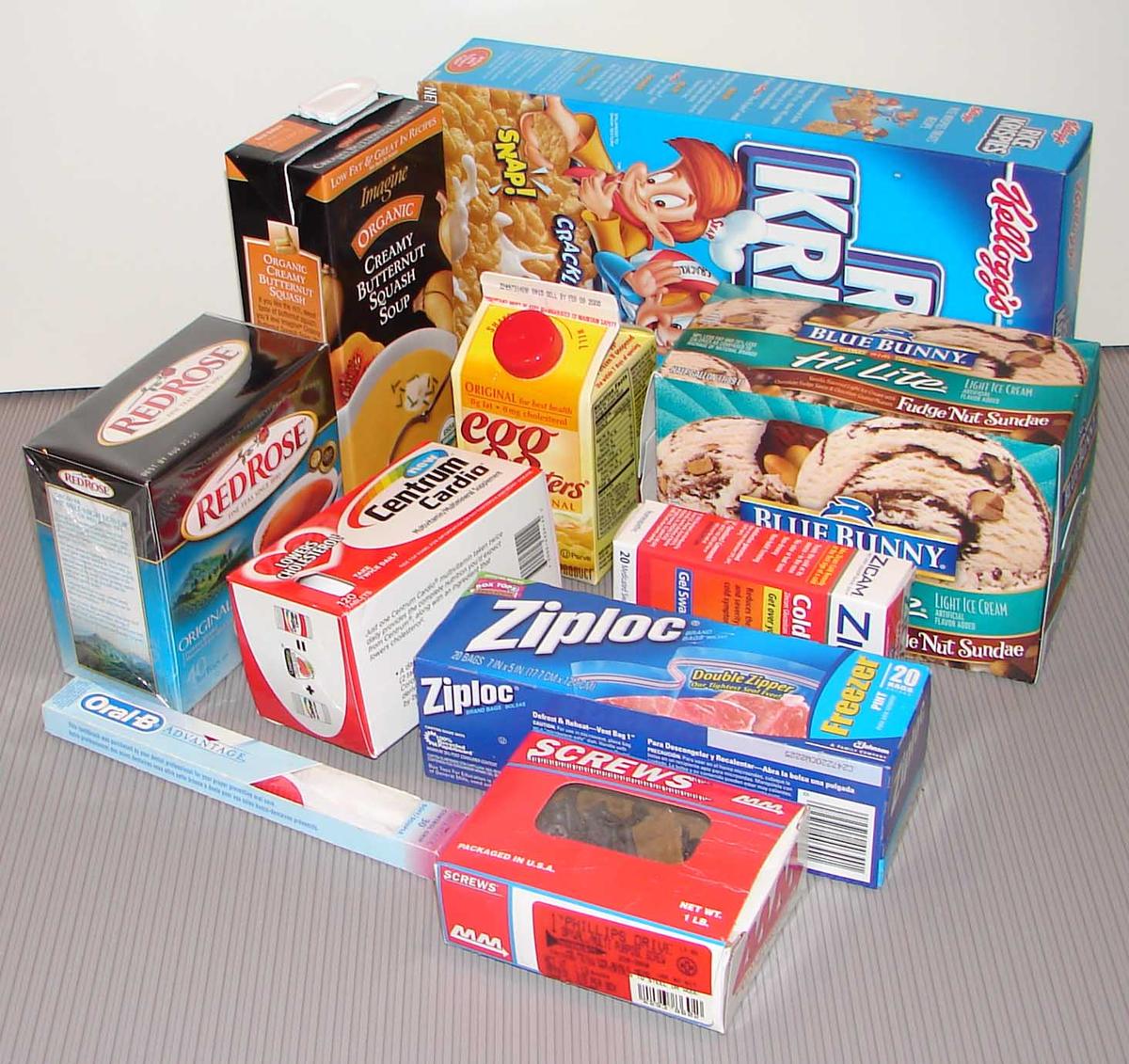
The chasing arrows symbol is a global mark. It means the substrate is technically capable of being reprocessed at a hypothetical facility with the right equipment. Singapore’s materials recovery facilities operate under local constraints. The commingled blue bin system collects paper, plastics, metals, and glass together. That single stream is sent to a MRF where optical sorters, magnets, eddy current separators, and manual pickers try to separate it. The system is designed for simple items. A clear PET bottle is straightforward. A metallised plastic film that looks like shiny wrapping paper but is a laminate of aluminium vapour deposited on a polymer base is not. The metal layer cannot be stripped from the plastic layer at scale. The item is incinerated.
The Laminate Problem
The definition of multi-material laminate in the Mandatory Packaging Reporting framework is packaging composed of two or more different layers bonded together that cannot be separated by hand. Examples include aluminium-lined plastic film, paper-plastic-aluminium composite cartons such as liquid beverage cartons, and metallised plastic films. The recyclability of these items in Singapore is zero through the commingled system. The reason is not that nobody tried. It is that the layers cannot be separated mechanically or economically at scale in Singapore’s MRFs. There is no domestic end market or reprocessing capacity for mixed-material waste. The bales that would result have no buyer. An offtaker will not take them.
So the label on the package says recyclable. The label on the blue bin says what is accepted. Between them sits the local MRF capability and the global commodity market. That is the mismatch.

Packaging Waste Incineration Singapore: Where the Unrecyclable Actually Ends Up
From Bin to Burner
When a package cannot be sorted at the MRF it goes to the general waste stream. That stream is collected by the Public Waste Collectors operating under NEA sector contracts and trucked to one of the four waste-to-energy plants. The gate fee for incineration is set by NEA, not by a competitive market, so the price signal to the disposer is an administrative choice. Once inside the plant the waste is fed into furnaces that operate above 850 degrees Celsius. The energy recovery efficiency of each plant varies. The electricity generated is fed into the national grid. The net carbon position of that energy depends on the biogenic fraction of the waste, food and paper, versus the fossil fraction, plastics, and on what fuel the electricity displaces. NEA does not publish the lifecycle carbon analysis in its annual reports. The headline energy recovery figure does not capture the full climate picture.
Ash Does Not Vanish
The residue, incineration bottom ash, is barged to Semakau Landfill. Its remaining capacity is a modelled projection recalculated each year. With the commissioning of TuasOne and the construction of the IWMF, the closure date has moved outward. It is not a fixed deadline. It responds to policy changes, consumption trends, and new plant capacity. The public perception that incineration makes waste disappear is the failure mode here. It does not disappear. It becomes ash, and the ash fills a landfill between two islands in the sea.
What One Action Changes the Outcome for Your Packaging
Judge the material, not the label. A shiny flexible pouch with a printed recyclability symbol is almost certainly a multi-layer laminate. It will be incinerated. A clear PET bottle with a separate lid and a paper label that peels off easily is a single stream that the MRF can handle. A cardboard box with no plastic lining and no food residue is recyclable if it stays dry and clean. A pizza box with grease stains is not. Stop trusting the chasing arrows on the package. Read the package as a materials scientist would. If it is one substance and clean, it stands a chance. If it is multiple layers fused together, it does not. The system is honest about that. The label is not.
Full specification
| Accepted in the blue bin | Depends entirely on the material | manufacturer |
|---|---|---|
| Where it ends up | Split: recyclable fractions recovered, the rest incinerated | manufacturer |
| The one thing a household can do | Judge the material, not the packaging's claims about itself | manufacturer |
| Why this stream is difficult | One item is often three materials laminated together, and no sorting line can separate them | manufacturer |
Figures labelled manufacturer are the maker's own claim and are measured by them. Owner reported figures are aggregated from owners and are the ones worth planning around.
Common Questions
Can I put a beverage carton in the blue bin?
Only if it is rinsed and flattened. Even then, acceptance depends on the current MRF capability and offtaker demand. Many cartons are multi-material laminates that cannot be separated. They are incinerated.
What is the difference between Mandatory Packaging Reporting and an EPR scheme?
MPR requires producers to report packaging data and a 3R plan. An EPR scheme would obligate them to fund collection and recycling. MPR is the data phase. A packaging EPR does not yet exist in Singapore.
Does putting an item in the blue bin guarantee it will be recycled?
No. The blue bin is a commingled collection point. The item must survive the MRF sort and find an offtaker. Contamination rates above 40% mean a large fraction of bin contents is rejected and incinerated.
Why is the plastic packaging recycling rate only 5%?
Most plastic packaging is multi-material laminates, food-soiled films, or mixed polymer types that MRFs cannot separate economically. No domestic reprocessing capacity exists. The 5% figure is from NEA’s 2023 data.
Read next
-
 What the Blue Bin Actually Takes and What Happens When It Gets Contaminated
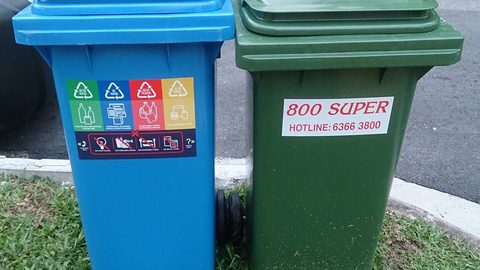
What Singapore's blue bin actually takes—and what happens to a whole truckload when one item is wrong. The contamination rule, not just the list.
What the Blue Bin Actually Takes and What Happens When It Gets Contaminated
What Singapore's blue bin actually takes—and what happens to a whole truckload when one item is wrong. The contamination rule, not just the list.
-
 What Must Never Go in a Singapore Household Bin and Where It Goes Instead
Batteries, lamps, chemicals and sharps must never go in a Singapore household bin. Where each goes instead, scoped to Singapore disposal law.
What Must Never Go in a Singapore Household Bin and Where It Goes Instead
Batteries, lamps, chemicals and sharps must never go in a Singapore household bin. Where each goes instead, scoped to Singapore disposal law.
-
 E-waste
Singapore's e-waste Producer Responsibility Scheme makes producers fund collection and recycling. Small tonnage, high value, and a genuine battery fire risk.
E-waste
Singapore's e-waste Producer Responsibility Scheme makes producers fund collection and recycling. Small tonnage, high value, and a genuine battery fire risk.
-
 Bulky waste in Singapore
What happens to bulky waste in Singapore after the town council collects it, from dismantling and metal recovery to incineration at Tuas South and the ash that reaches Semakau Landfill.
Bulky waste in Singapore
What happens to bulky waste in Singapore after the town council collects it, from dismantling and metal recovery to incineration at Tuas South and the ash that reaches Semakau Landfill.
-
 Plastic
Resin codes are not a recyclability rating. In Singapore's blue bin system, a plastic item is recycled only if it survives the MRF sort and finds a buyer.
Plastic
Resin codes are not a recyclability rating. In Singapore's blue bin system, a plastic item is recycled only if it survives the MRF sort and finds a buyer.
-
 Household batteries
Why household batteries cause fires in Singapore's waste system and the correct disposal pathway through ALBA E-waste collection points under the Producer Responsibility Scheme.
Household batteries
Why household batteries cause fires in Singapore's waste system and the correct disposal pathway through ALBA E-waste collection points under the Producer Responsibility Scheme.
-
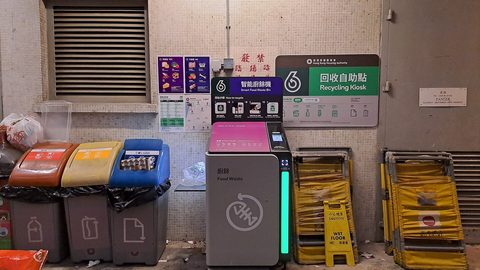 Food waste
 is Singapore's heaviest household stream and the hardest to recover. Moisture and decomposition make it a problem before sorting even begins.
Food waste
Food waste is Singapore's heaviest household stream and the hardest to recover. Moisture and decomposition make it a problem before sorting even begins.
-
 Glass
Glass is infinitely recyclable in theory but breaks in Singapore's commingled blue bin and contaminates paper. Ceramics are the specific poison.
Glass
Glass is infinitely recyclable in theory but breaks in Singapore's commingled blue bin and contaminates paper. Ceramics are the specific poison.