Metal Waste in Singapore and Why It Has the Highest Recovery Rate
Metal is the Singapore waste stream that works. It is recovered from the blue bin and from incineration bottom ash, with a recovery rate others do not approach.
Metal Waste in Singapore and Why it Has the Highest Recovery Rate
The domestic recycling rate sits at 12% and the blue bin is a mess. What nobody tells you is that one waste stream breaks every rule. Metal waste in Singapore posts a recovery rate that no other material approaches, and the system that achieves it is simpler than the usual story. The recovery does not depend on perfect household sorting. It happens at two points: the blue bin and the incineration plant.
Metal is the stream that actually works. This guide explains why metal succeeds where paper, plastic and glass fail, and what that success means when you put a can in the right bin.
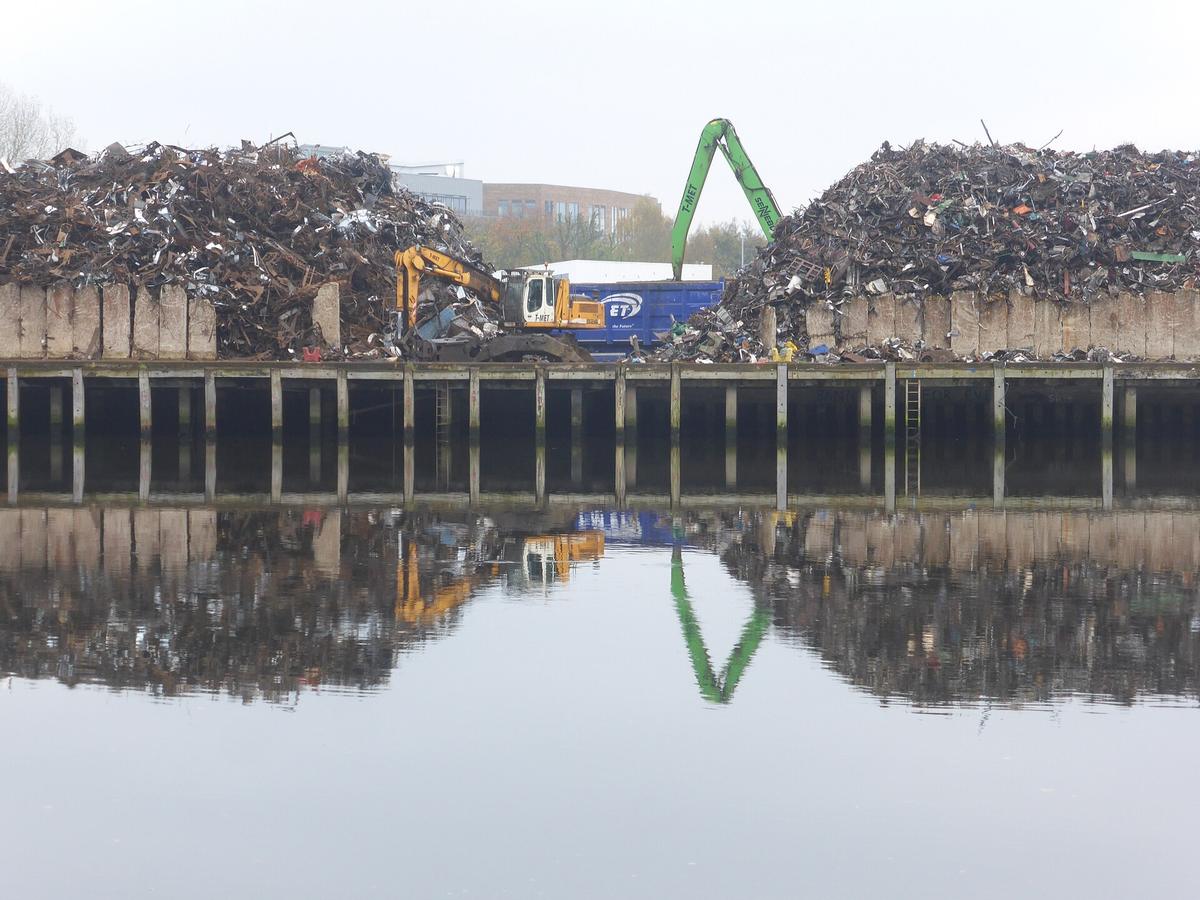
Singapore Metal Recycling Rate: the Numbers That Matter
The National Environment Agency publishes annual waste statistics. The 2023 figures are the most recent available. Ferrous metal waste generated totalled 1,449,000 tonnes. Of that, 1,444,000 tonnes was recycled, giving a ferrous metal recycling rate of 99%. Only 5,000 tonnes went to disposal. Non-ferrous metal waste, covering aluminium, copper, brass, zinc and stainless steel, amounted to 157,000 tonnes generated and 154,000 tonnes recycled. That is a non-ferrous metal recovery rate of 98%, with 3,000 tonnes disposed.
These are national rates that include industrial and construction scrap, which dominates the tonnage. The domestic recovery rate for all household materials was 12% in 2023, and the overall national rate was 52%. Metal is an outlier because its value justifies separate collection and extraction from incineration ash. Paper and plastic suffer from contamination and weak demand from buyers.
Metal Recovery from Incineration Bottom Ash in Singapore
How the Incinerator Becomes a Recovery Point
Singapore burns more than 95% of disposed waste. The heavy residue left after combustion, called incineration bottom ash, still contains valuable material. The metal fraction in that ash is roughly 7 to 12% by mass. Ferrous metal is pulled out using magnetic separation: overband magnets and drum magnets. Non-ferrous metal is extracted using eddy current separation, which repels conductive metals like aluminium and copper away from the waste stream.
Where the Extraction Happens
This recovery runs at dedicated facilities. A partnership between Sembcorp and Zerowaste Asia operates an incineration bottom ash metal extraction plant at the Tuas Marine Transfer Station. A larger facility is expected to begin operations at the Tuas Integrated Waste Management Facility from 2025. Without this step, the metals would be buried at Semakau Landfill along with the bottom ash and fly ash.
| Category | Generated (tonnes) | Recycled (tonnes) | Disposed (tonnes) | Recycling Rate |
|---|---|---|---|---|
| Ferrous metal | 1,449,000 | 1,444,000 | 5,000 | 99% |
| Non-ferrous metal | 157,000 | 154,000 | 3,000 | 98% |
| Domestic recycling rate (all materials) | Not applicable | Not applicable | Not applicable | 12% |
| National recycling rate (all materials) | Not applicable | Not applicable | Not applicable | 52% |
Ferrous Metal Recycling Singapore: the Simple Mechanism
What Happens at the Materials Recovery Facility
Ferrous metal recovery relies on a straightforward physical property: magnetism. Steel food cans that enter the blue bin are collected by the public waste collector and taken to the materials recovery facility operated by SembWaste at Tuas. There, magnets pull ferrous metal from the commingled stream. The material is compacted, baled and exported to overseas steel mills. Aluminium drink cans and other non-ferrous items are recovered by eddy current separators at the same facility and exported to smelters.
The Safety Net in the Ash
The metal that misses the blue bin ends up in the general waste chute. That waste is burnt at one of four active waste-to-energy plants: Tuas South, Senoko, Keppel Seghers Tuas and TuasOne. After combustion, the bottom ash undergoes the same magnetic and eddy current separation described above. Extraction from ash is the reason the ferrous metal recovery rate reaches 99%. Nothing else in the system comes close.
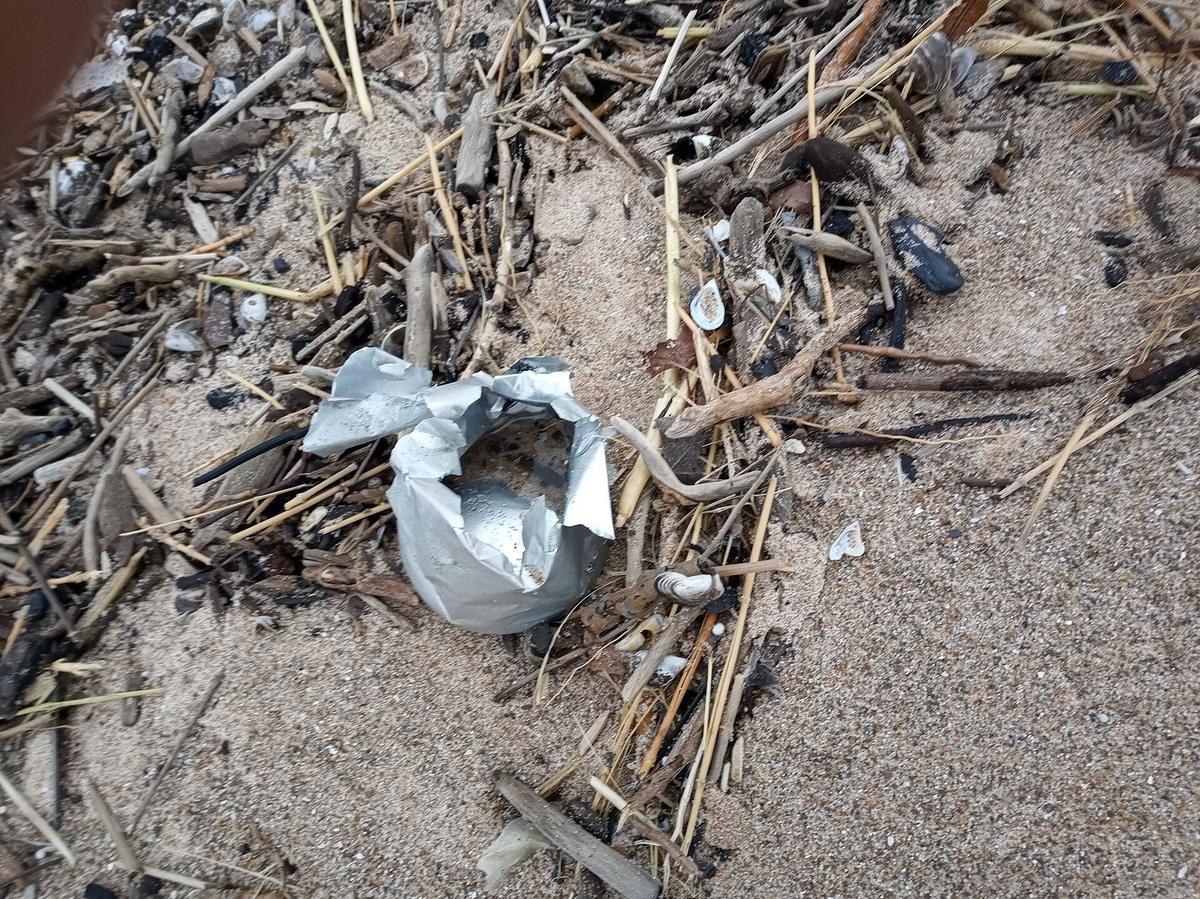


The Metal Blue Bin Singapore: What Goes in and What Comes Out
What to Put in the Blue Bin
Accept these: aluminium drink cans, steel food cans, clean aluminium foil scrunched to fist size, and metal bottle caps. Empty and rinse each item. Metal is easy to sort because it does not degrade in storage and a rinsed can is a clean can.
What to Keep Out
Do not put bulky household appliances, electronic items containing metal, gas cylinders, sharps or contaminated foil into the blue bin. Those belong to other channels. E-waste goes to collection points under the Producer Responsibility Scheme operated by ALBA E Waste, which runs more than 800 points across Singapore.
The Contamination Problem Metal Avoids
The blue bin contamination rate, reported by NEA at 40% or higher, is the dominant failure of the domestic system. Nearly half of what goes in cannot be recovered. The common culprits: food-soiled paper, unwashed plastics, and recyclables sealed in plastic bags. Metal rarely causes these problems. A rinsed can either makes it through the materials recovery facility or, if it misses the bin entirely, gets caught by magnetic separation at the ash plant. Metal is the only household waste stream with a safety net.
Why This Stream is Not Difficult
Every other household material is a problem. Paper and cardboard lose value when they touch food. Plastics depend on polymer type, buyer demand and local facility capability. Glass is heavy, breaks easily, and has weak markets in Singapore. Metal gets pulled out by a magnet, whether it arrives clean in the blue bin or charred in incineration bottom ash.
The one thing you can do: put metal items in the blue bin and stop worrying. Empty and rinse the can first. That is the only preparation required. Do not bag it. Do not worry if the label is still on it. The metal itself is recovered regardless. When you put a clean can in the right bin, it gets recycled. That is a guarantee no other household stream offers.
How to Comply as a Small Business
Sell Your Scrap Metal
If you operate a small business in Singapore, the metal stream is the easiest to handle. Ferrous and non-ferrous scrap generated on site can be sold directly to licensed dealers, who collect it for a price set by the commodity market. Do not put clean metal scrap in the general waste bin. The gate fee for incineration is set by NEA and you pay per tonne. Separating metal reduces your disposal cost and may generate revenue.
Packaging Reporting Obligations
The mandatory packaging reporting scheme, which began in 2022, requires obligated producers to report packaging volumes and plans. Metal packaging falls under that requirement. If your business exceeds the annual turnover threshold set by NEA, you must submit data on the metal packaging you place on the market. The reporting is a precursor to a future extended producer responsibility scheme for packaging, so the obligations will increase.
Full specification
| Accepted in the blue bin | Yes | manufacturer |
|---|---|---|
| Where it ends up | Recovered, including from incineration ash | manufacturer |
| The one thing a household can do | Put it in the blue bin and stop worrying about it | manufacturer |
| Prepare it like this | Empty and rinse | manufacturer |
| Why this stream is difficult | It is not hard. Metal is the stream that works, and the one nobody writes about | manufacturer |
Figures labelled manufacturer are the maker's own claim and are measured by them. Owner reported figures are aggregated from owners and are the ones worth planning around.
Common Questions
Why does metal have a higher recovery rate than other materials in Singapore?
Metal is recovered from two routes: the blue bin and incineration bottom ash. Ferrous metal is magnetically separated from bottom ash at waste-to-energy plants before the ash goes to Semakau Landfill. No other household material has this second recovery route. The domestic recycling rate for all materials is 12%, but the national ferrous metal recovery rate reaches 99% because of ash extraction.
What is the Singapore metal recycling rate for 2023?
The ferrous metal recovery rate was 99% on 1,449,000 tonnes generated. The non-ferrous rate was 98% on 157,000 tonnes generated. These figures are published by the National Environment Agency in its annual Waste and Recycling Statistics report. The domestic recycling rate for all household materials was 12% and the overall national rate was 52%.
How is metal recovered from incineration bottom ash in Singapore?
After waste is burnt at waste-to-energy plants, the incineration bottom ash still contains roughly 7 to 12% metal by mass. Ferrous metal is extracted using magnetic separation: overband magnets and drum magnets. Non-ferrous metal is extracted using eddy current separation. This recovery runs at a facility operated by Sembcorp and Zerowaste Asia at the Tuas Marine Transfer Station, with a larger facility expected at the Tuas Integrated Waste Management Facility from 2025.
What metal items are accepted in the blue bin in Singapore?
The blue bin takes aluminium drink cans, steel food cans, clean aluminium foil scrunched to fist size, and metal bottle caps. Empty and rinse each item first. Do not put bulky household appliances, electronic items containing metal, gas cylinders, sharps or contaminated foil into the blue bin. Electronic items go to an ALBA E Waste collection point under the Producer Responsibility Scheme.
What is the contamination rate of the blue bin in Singapore?
NEA reports contamination rates of 40% or higher for the blue bin. Nearly half of the contents cannot be recovered. The main causes are food-soiled paper, unwashed plastics, and recyclables placed in plastic bags. Metal items rarely cause contamination because they are easy to rinse and do not degrade.
Where does recovered metal from Singapore end up?
Ferrous metal from the blue bin and from incineration bottom ash is compacted, baled, and exported to overseas steel mills. Non-ferrous metal is sorted, baled, and exported to overseas smelters. Singapore has limited domestic remanufacturing capacity, so baled recyclables depend on global commodity markets and buyer demand.
What is Semakau Landfill and how does metal recovery affect it?
Semakau Landfill is the only landfill in Singapore, an offshore engineered enclosure between Pulau Semakau and Pulau Sakeng. It receives incineration bottom ash and non-incinerable waste. Metal extraction from incineration bottom ash reduces the mass of ash sent to Semakau, extending its capacity. Each tonne of metal removed from the ash is a tonne that does not occupy landfill space.
Read next
-
 What the Blue Bin Actually Takes and What Happens When It Gets Contaminated
What Singapore's blue bin actually takes—and what happens to a whole truckload when one item is wrong. The contamination rule, not just the list.
What the Blue Bin Actually Takes and What Happens When It Gets Contaminated
What Singapore's blue bin actually takes—and what happens to a whole truckload when one item is wrong. The contamination rule, not just the list.
-
 What Must Never Go in a Singapore Household Bin and Where It Goes Instead
Batteries, lamps, chemicals and sharps must never go in a Singapore household bin. Where each goes instead, scoped to Singapore disposal law.
What Must Never Go in a Singapore Household Bin and Where It Goes Instead
Batteries, lamps, chemicals and sharps must never go in a Singapore household bin. Where each goes instead, scoped to Singapore disposal law.
-
 E-waste
Singapore's e-waste Producer Responsibility Scheme makes producers fund collection and recycling. Small tonnage, high value, and a genuine battery fire risk.
E-waste
Singapore's e-waste Producer Responsibility Scheme makes producers fund collection and recycling. Small tonnage, high value, and a genuine battery fire risk.
-
 Bulky waste in Singapore
What happens to bulky waste in Singapore after the town council collects it, from dismantling and metal recovery to incineration at Tuas South and the ash that reaches Semakau Landfill.
Bulky waste in Singapore
What happens to bulky waste in Singapore after the town council collects it, from dismantling and metal recovery to incineration at Tuas South and the ash that reaches Semakau Landfill.
-
 Plastic
Resin codes are not a recyclability rating. In Singapore's blue bin system, a plastic item is recycled only if it survives the MRF sort and finds a buyer.
Plastic
Resin codes are not a recyclability rating. In Singapore's blue bin system, a plastic item is recycled only if it survives the MRF sort and finds a buyer.
-
 Household batteries
Why household batteries cause fires in Singapore's waste system and the correct disposal pathway through ALBA E-waste collection points under the Producer Responsibility Scheme.
Household batteries
Why household batteries cause fires in Singapore's waste system and the correct disposal pathway through ALBA E-waste collection points under the Producer Responsibility Scheme.
-
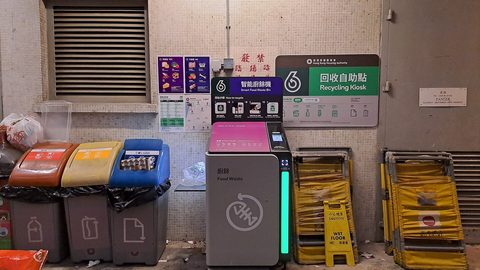 Food waste
 is Singapore's heaviest household stream and the hardest to recover. Moisture and decomposition make it a problem before sorting even begins.
Food waste
Food waste is Singapore's heaviest household stream and the hardest to recover. Moisture and decomposition make it a problem before sorting even begins.
-
 Glass
Glass is infinitely recyclable in theory but breaks in Singapore's commingled blue bin and contaminates paper. Ceramics are the specific poison.
Glass
Glass is infinitely recyclable in theory but breaks in Singapore's commingled blue bin and contaminates paper. Ceramics are the specific poison.