How Waste-to-Energy Incineration Works in Singapore: Volume Reduction, Electricity and the Ash That Remains
Singapore incinerates over 95% of disposed waste for volume reduction and electricity. But bottom ash and fly ash are different things with different fates—most coverage conflates them.
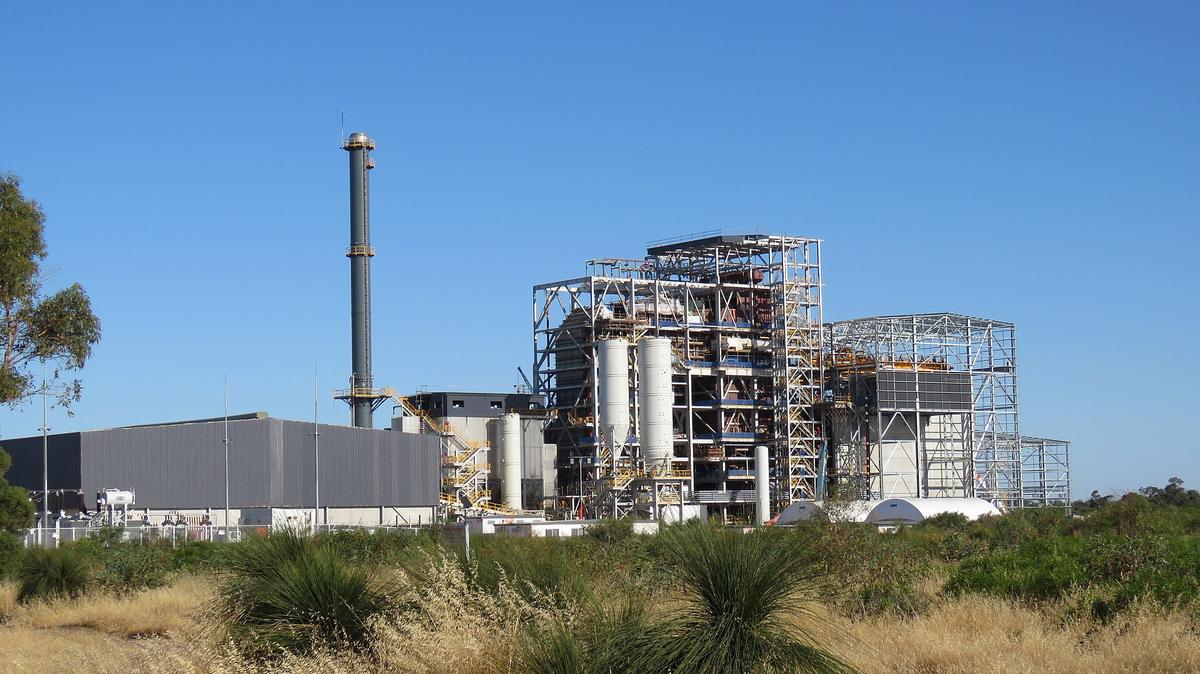

What Incineration Does: Volume Down, Power Out
Volume Reduction And Power Generation
Singapore's waste incineration process reduces disposed waste volume by roughly 90 percent, according to the National Environment Agency. The four active Waste-to-Energy plants, Tuas South, Senoko, Keppel Seghers Tuas, and TuasOne, burn everything that is not recycled. The heat drives steam turbines that generated approximately 260 GWh of electricity in 2024, supplying about 2 percent of Singapore's total grid demand. That is the achievement: less tonnage, some power. It is not a circular solution. It sits on the recover tier of the waste hierarchy, above landfill, below recycling. The material problem does not go away.
What Incineration Does Not Do: the Ash Remains
Two Ash Streams, Two Destinations
What Singapore's waste incineration does not do is eliminate the need for landfill. The process leaves two distinct residues. Incineration bottom ash, the heavy furnace grit, accounts for roughly a fifth of input mass. Fly ash, the lighter fraction captured by baghouse filter dioxin control systems, represents another 15 to 20 percent of the ash output. Most coverage conflates them. They have different pathways and different destinations. Bottom ash goes to the offshore landfill at Semakau. Fly ash is treated separately and landfilled in sealed cells. Neither disappears.
How a Plant Works: Tuas South Walkthrough
From Bunker To Turbine
Use Tuas South Incineration Plant as the illustrative example because it is the largest and most representative of the fleet's grate combustion technology. Refuse collection vehicles tip mixed waste into a bunker. A crane claw feeds the grate. The waste burns at 850 to 1000 degrees Celsius, and the heat raises steam in a boiler. The steam spins a turbine generator. The energy recovery efficiency depends on the waste's calorific value conversion, which varies with moisture and plastic content.
Emissions Control And Plant Reliability
On the flue-gas side, a baghouse filter captures particulate matter and dioxins. The emissions data is reported by the plant operator to NEA and must comply with the agency's emission standards. The plant runs at an availability factor above 90 percent. That matters: if a plant goes down for maintenance, the system has limited buffer. The Integrated Waste Management Facility Phase 1, targeting operational readiness in 2026, will add 2,900 tonnes per day of capacity. But capacity is not the problem. The problem is what comes out the other end.
WtE Plants Singapore Operation: the Active Fleet
The Four Plants In 2025
Four plants operate as of 2025. Tuas South handles the largest share. Senoko is the oldest and runs at lower energy efficiency. Keppel Seghers Tuas was built under a public-private partnership. TuasOne is the newest; its commissioning in 2021 pushed the projected closure date of Semakau Landfill outward to 2035 in the 2024 NEA estimate. Total incineration capacity nationwide in 2024 was approximately 7,400 tonnes per day.
A Structural Choice, Not A Market One
The system incinerates more than 95 percent of disposed waste. That is a structural choice embedded in plant capacity and long-term contracts with the Public Waste Collectors. The gate fee is set by NEA, not by the market. It is an administrative price that signals nothing about the scarcity of landfill space.
Incineration Bottom Ash Singapore: What Goes to Semakau
After combustion, incineration bottom ash falls from the grate. It is roughly a fifth of the input mass. The material is a mix of melted glass, metal fragments, ceramics, and unburned mineral matter. A magnetic separator pulls out ferrous metals, scrap iron and steel, which are sold for recycling. The remaining ash is washed to reduce chloride content, then used as NEWSand for road construction and non-structural concrete under the Zero Waste Masterplan's reuse target. Not all of it finds a use. The excess goes to the offshore landfill. The pathway is straightforward: every tonne that is not reused as aggregate is barged to Semakau. The NEA annual waste statistics publish the tonnage. It is the physical constraint on the entire system. The landfill has a finite volume. Every tonne of bottom ash that goes there fills space that cannot be recovered.
Fly Ash Singapore Disposal: the Separate Route
Fly ash is different. It is the fine particulate matter captured by the baghouse filters in the air pollution control system. It contains concentrated heavy metals and dioxins. Fly ash cannot follow the same path as bottom ash because the material is classified as hazardous. It is stabilised with cement and chemical binders, encapsulated, and placed in dedicated lined cells at the offshore landfill. It cannot be reused as construction aggregate. It does not become NEWSand. It is entombed. NEA requires the plant operators to treat fly ash before transport. The volume is smaller than bottom ash, roughly 15 to 20 percent of total ash output, but the disposal cost is higher and the environmental liability is longer. This is the residue that most conversations about incineration skip. It is also the residue that most sharply reveals the limits of the technological fix: the hazard does not burn away, it concentrates.
Singapore Incineration Volume Reduction: the 90 Percent Claim
Singapore incineration volume reduction is real. The NEA reports that incineration reduces waste volume by approximately 90 percent. That is the number that gets quoted. It impresses visitors. It is true for volume. It is misleading for mass. The bottom ash is roughly a fifth of the input mass. Fly ash adds another few percentage points. The 80 to 90 percent volume reduction comes from burning away the organic fraction, paper, food, plastics, wood. The water content evaporates. The carbon oxidises to carbon dioxide and goes up the stack. The non-combustible fraction remains. That remaining mass still occupies space at the offshore site. The Semakau remaining capacity estimate published by NEA in 2024 projected closure around 2035, subject to waste reduction rates and ash reuse. The date moves. Every new WtE plant or IWMF Phase pushes it outward. But the physical constraint does not change: the landfill is a single engineered enclosure between Pulau Semakau and Pulau Sakeng. When it is full, there is no second site. The 90 percent volume reduction buys time. It does not buy a permanent solution.

| Plant | Capacity Tonnes/Day | Type | Year Commissioned |
|---|---|---|---|
| Tuas South | 3000 | NEA-operated | 2000 |
| Senoko | 900 | NEA-operated | 1992 |
| Keppel Seghers Tuas | 800 | Public-Private Partnership | 2009 |
| TuasOne | 800 | Public-Private Partnership | 2021 |
The One Thing Most Visitors Get Wrong
Incineration Is Not Circular
Visitors and newcomers routinely assume that incineration is a circular solution. The logic sounds neat: burn waste, make power, bury a little ash. It is not circular. Energy recovery is above landfill on the waste hierarchy, but it is not even in the same category as recycling. Incineration destroys materials that could have been reused. It produces carbon dioxide, some of it from biogenic carbon in food and paper, some from fossil carbon in plastics. The biogenic versus fossil carbon fraction matters for carbon accounting, but NEA does not publish a lifecycle analysis in its annual reports.
The Blue Bin Is The Failure Point
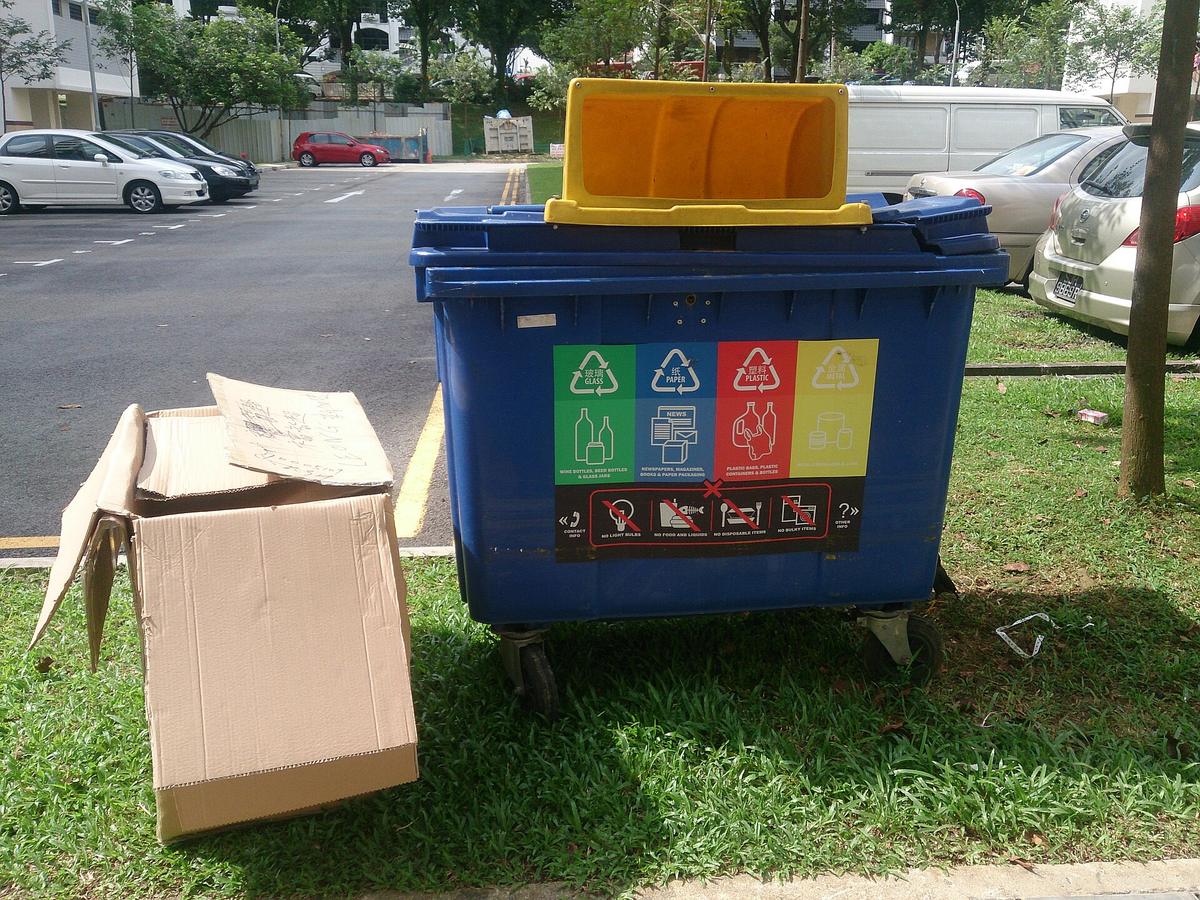
The system's dominant failure mode is not technology. It is the blue bin. The domestic recycling rate in Singapore is persistently 12 to 13 percent. That is the number that responds to what residents actually do. The national recycling rate of 50 to 60 percent is dominated by construction and industrial waste. The commingled blue-bin collection suffers contamination rates above 40 percent. A single food-soiled pizza box can render an entire truckload of recyclables unrecyclable. The incineration plants burn the contaminated recyclables. The system works as engineered. The engineering does not solve the material problem.
What Do Next: the Practical Takeaway
Keep It Dry And Food-Free
Stop putting food-soiled paper and unrinsed containers into the blue bin. That one action reduces the contamination rate at the Materials Recovery Facility. A clean recyclable is a real recyclable. A contaminated one is incineration feed. The refuse-derived fuel alternative is not available to households. The system burns what goes down the chute. If you want your recycling to stay out of the furnace, keep it dry and food-free. That is the boundary between the system's intent and its outcome.
Aspirational Recycling Breaks The Chain
The failure mode to watch for is aspirational recycling: tossing something in the blue bin because it seems like it should be recyclable. It is the fastest way to break the chain. If it is not on the NEA's accepted list for the blue bin, put it in general waste. The incineration plant can handle it. The blue bin cannot.
Common Questions
Does incineration make the waste disappear?
No. It reduces volume by roughly 90 percent, but about 20 percent of the input mass remains as bottom ash and fly ash. Both still go to the offshore landfill.
What is the difference between bottom ash and fly ash?
Bottom ash is the heavy furnace residue that gets magnetically sorted for metal recovery and then reused as NEWSand or sent to Semakau. Fly ash is the fine fraction captured by baghouse filters. It is treated with cement and landfilled in separate cells because it contains concentrated heavy metals.
How much electricity do Singapore's WtE plants generate?
The plants generated approximately 260 GWh in 2024, which covers about 2 percent of Singapore's total electricity demand.
Will Semakau Landfill ever close?
The 2024 NEA estimate projects closure around 2035. That date shifts outward whenever new WtE capacity is added or waste reduction targets are met. There is no replacement site.